Japan from behind the wheel
journalist
From Tokyo to ancient shrines, across mountain switchbacks, and back
I wouldn’t even have dared to dream that one day I’d experience the distinct vibe of a country where high-tech metropolises, centuries-old traditions, and almost surreal natural wonders coexist. That I could witness, even for a few days, how modernity and heritage constantly interact with one another. Now Japan is calling us on a new adventure: a two-week driving journey from buzzing world cities to ancient shrines – and back again. Often, when one dream comes true, it gives birth to another. That’s exactly what happened to me when I came across GoBeyond’s Nippon Rally and sat down to talk with the two tour leaders, Levente Trellay and Yusuke Fukui. The concept of the journey goes far beyond simply driving through Honshu’s iconic locations – it outlines a different kind of travel attitude, a way of seeing and experiencing the road that shifts how you think about the journey itself.
Beyond the fixed track
Japan’s public transport system doesn’t just function well, but it’s also a cultural symbol in itself, precision turned into infrastructure. And maybe that’s exactly why the question comes up: what does a traveler miss when choosing the fastest, most predictable option and simply gliding across the country?
As Levente Trellay puts it: “The Japanese railway system is brilliant, but predetermined. The tracks decide the route, the stops, the rhythm. When you travel by car, the freedom to choose is yours. You can pull over at a viewpoint, turn onto a side road, wander into a village where a barely marked café serves the best matcha you’ve ever had.”
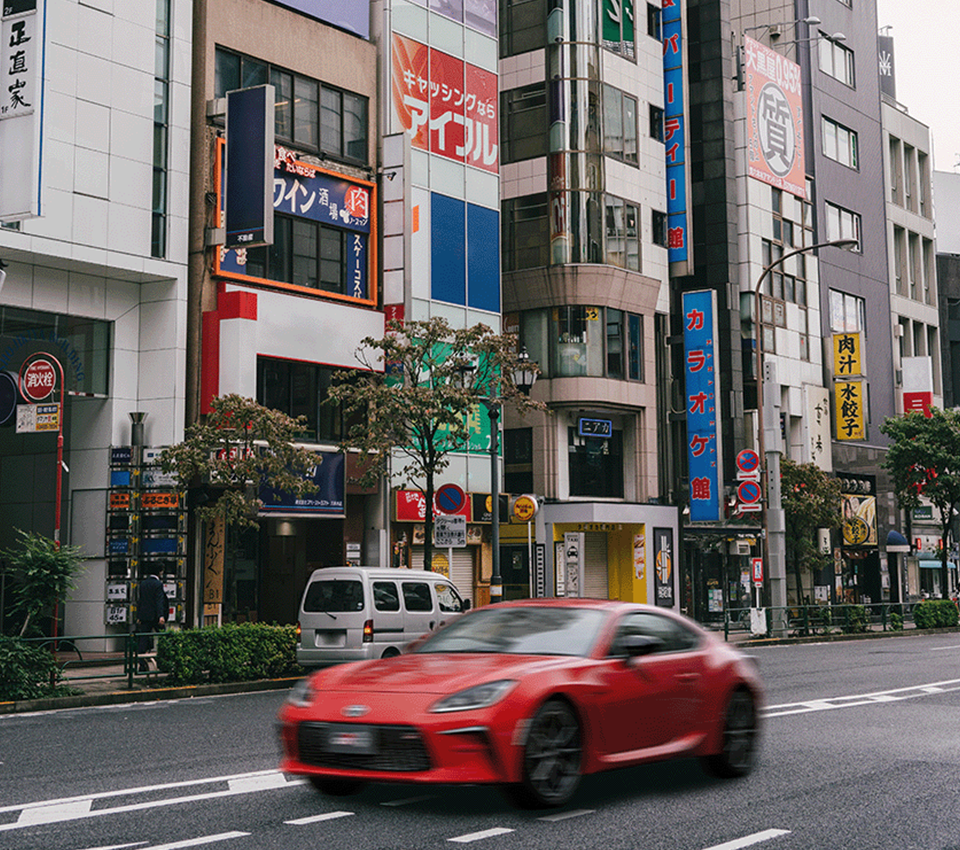
And you won’t be experiencing all this from behind just any steering wheel. The Toyota GR86 sports coupes used on the rally are purpose-built for driving pleasure, and in this exact configuration, they’re not available for rent anywhere else in the world.
In these two-seater models, you can focus fully on yourself or your partner, sharing real, uninterrupted time as you discover Japan’s pulse or its quiet calm. Driving slows you down in the best way: it sharpens your focus and deepens the connection, not only with the places and the people you encounter, but with the person sitting beside you. This kind of conscious shift in pace, this mental reset, feels more necessary today than ever.

Beaten roads, alternative programs
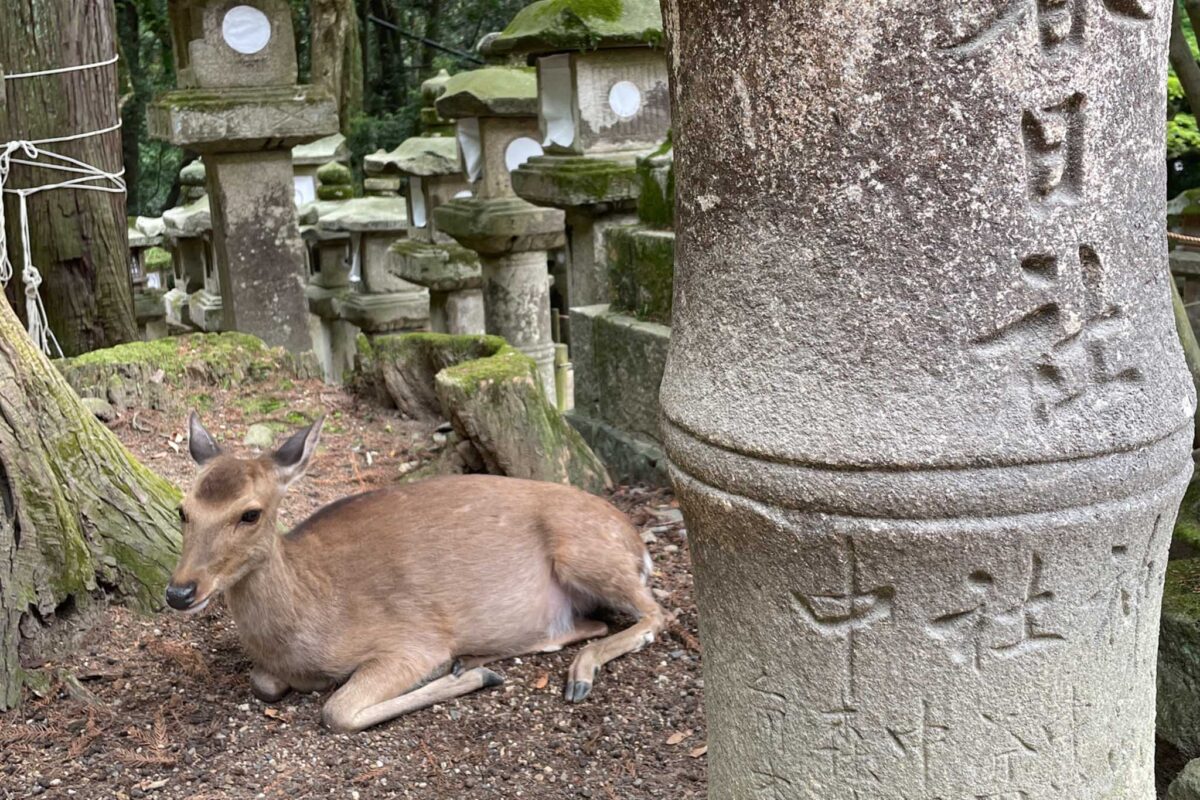
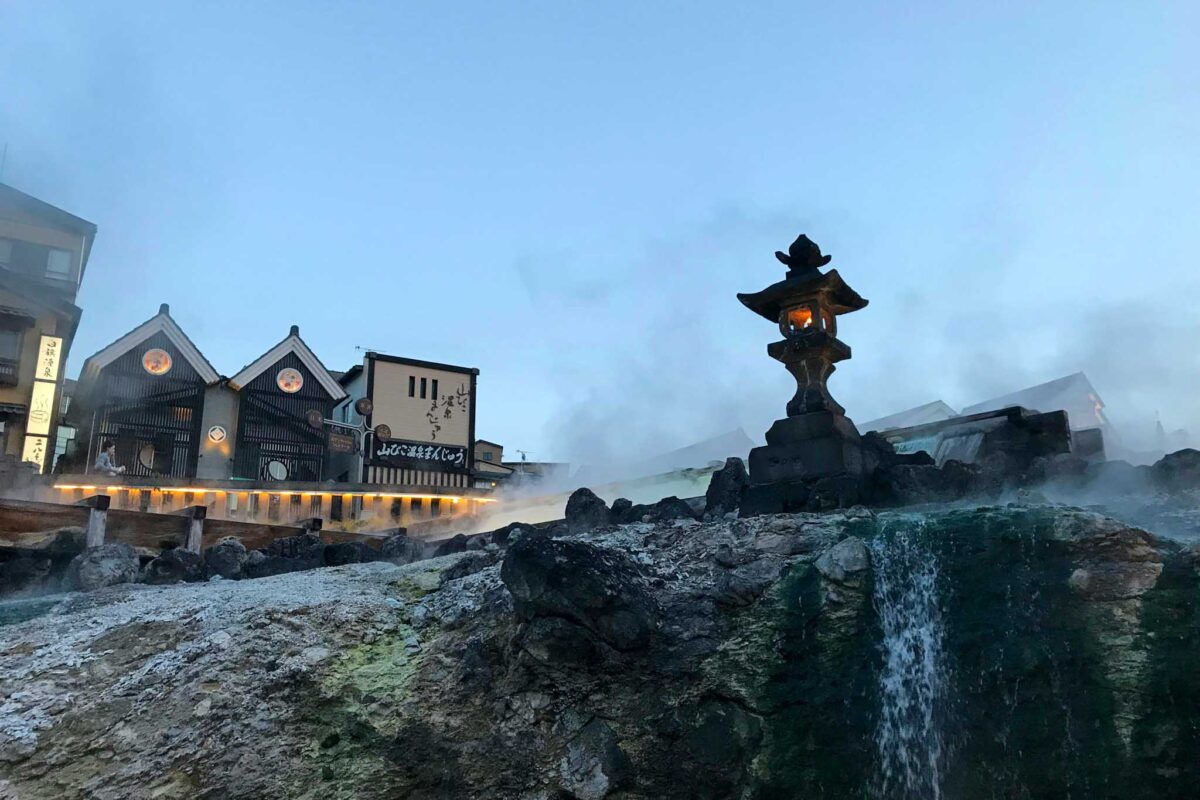
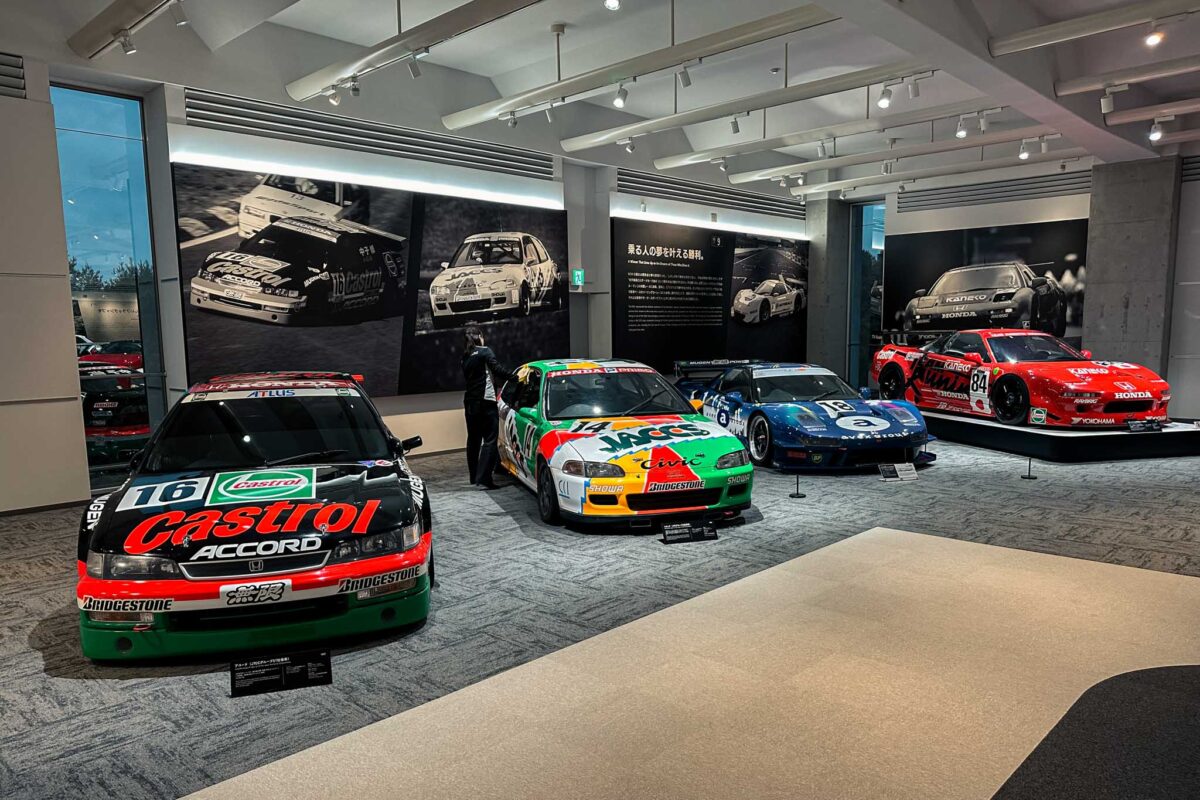
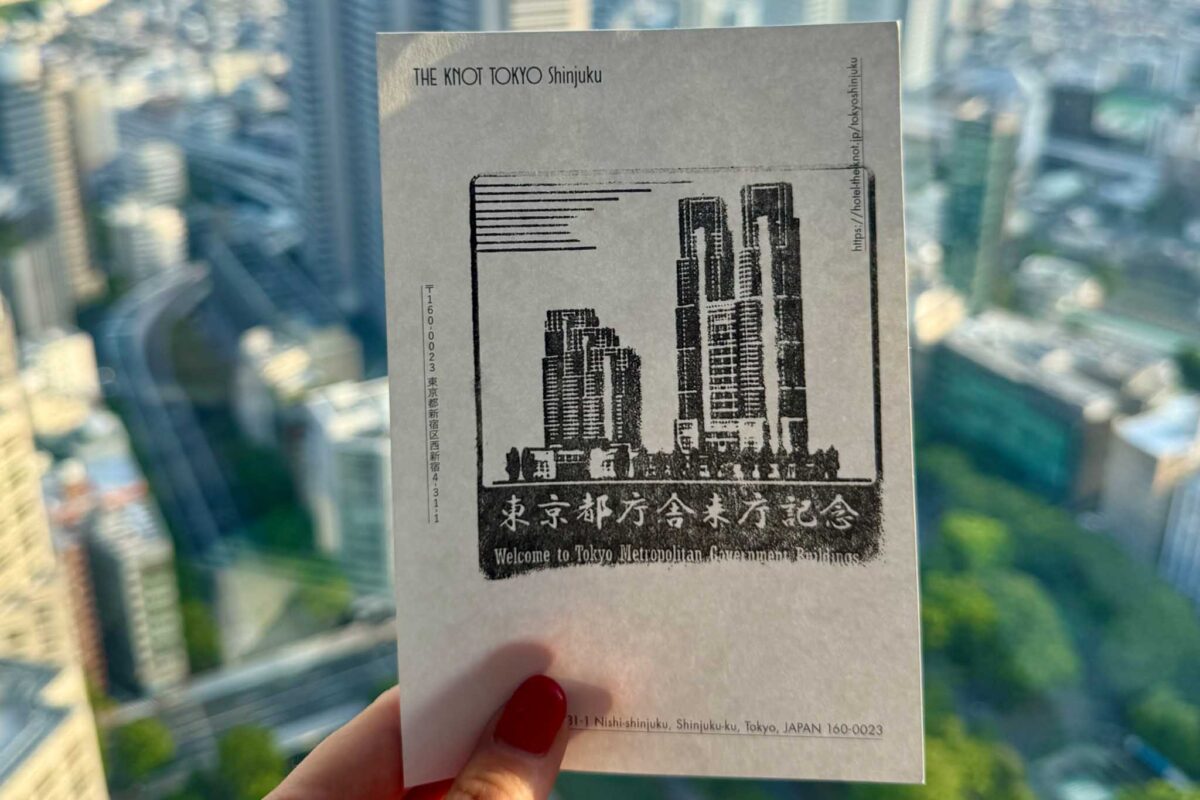
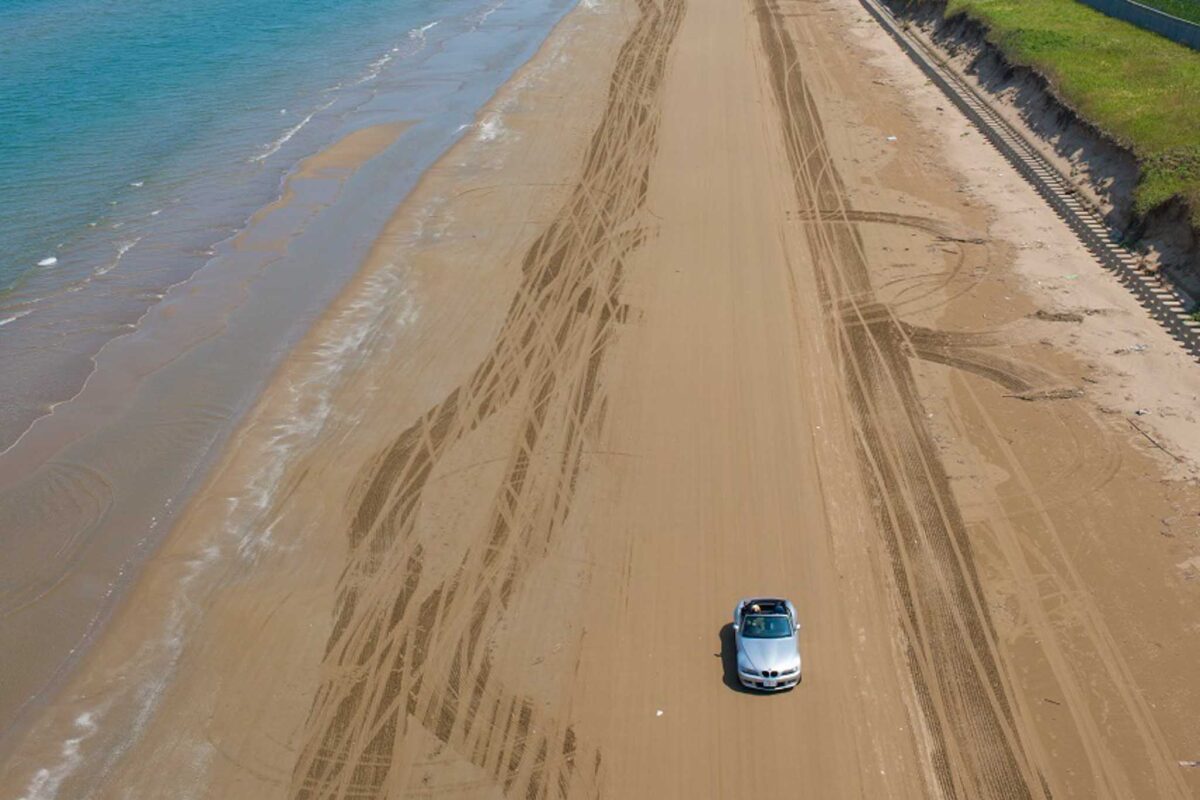
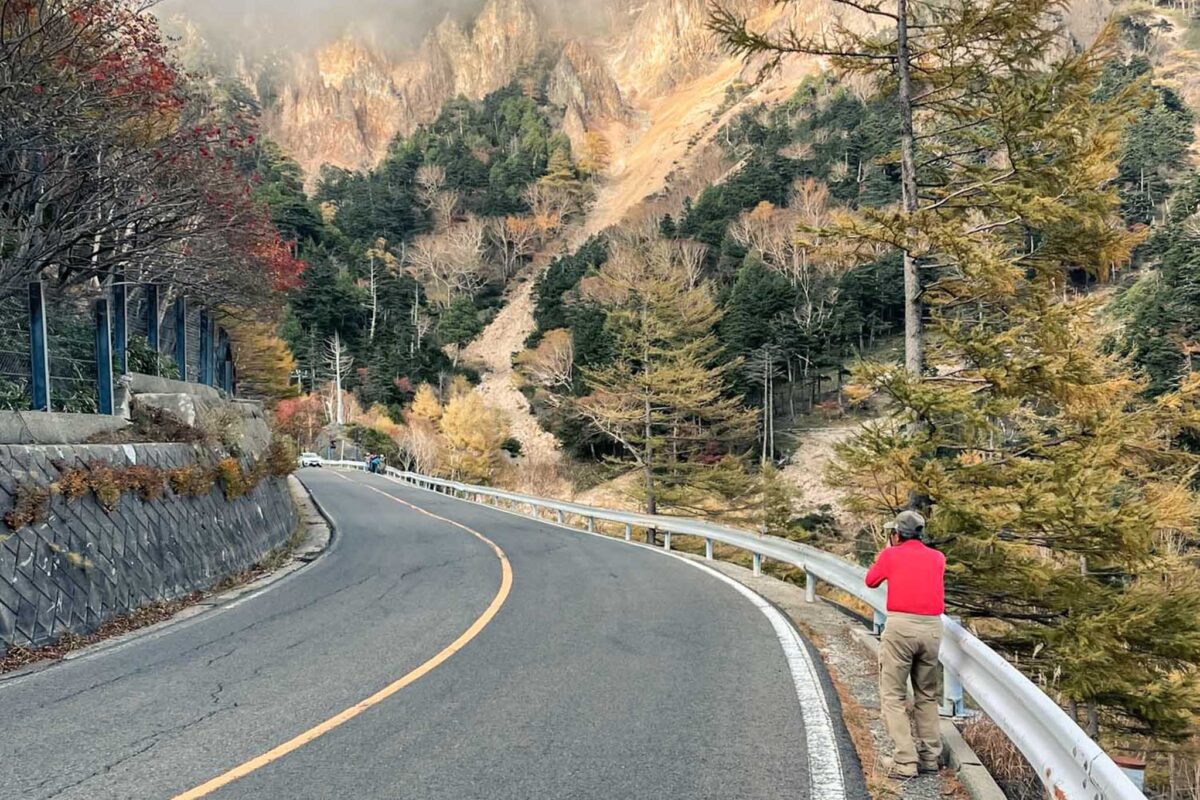
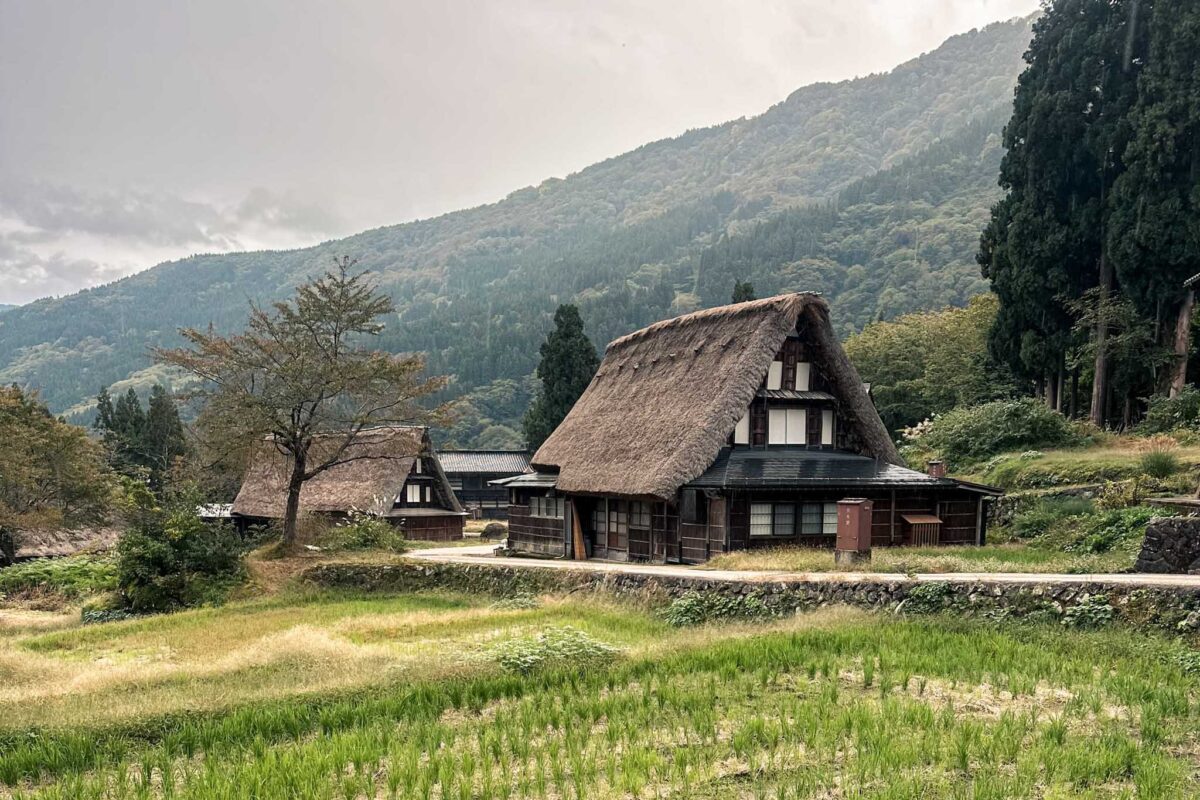
The route of the Nippon Rally captures Japan’s layered character in a natural way. Tokyo’s neon lights gradually give way to quieter landscapes, small towns, mountain passes, and the steady closeness of nature. The sweeping curves of the Venus Line, the Noto Peninsula, Kanazawa, Takayama, Ainokura, Nikko, Nara, Kyoto, Hakone and Mount Fuji, together with onsen baths, car museums and truly local restaurants, form a vivid chain of experiences that unfold step by step, each place deepening the journey.
This multi stop journey offers a deeper cultural immersion, which feels especially important in a country where overtourism is becoming an increasing challenge. As Levente Trellay explains, “The goal is not to avoid the popular places. You cannot and should not skip Tokyo or Kyoto. The real question is whether you build the entire experience around them and stay on the straight tourist routes, or whether you also turn off toward rural communities, easing the pressure of mass tourism and gaining a fuller, more nuanced understanding of the country itself.”
The guides also emphasize that the Nippon Rally is not designed only for seasoned Japan travelers. Quite the opposite. One of its greatest strengths is that it is a confident choice even for first timers. Over the two weeks, alongside the most iconic highlights, participants experience more intimate moments as well, such as visiting a small artisan pottery workshop. So beyond the must see spots, the itinerary also includes lesser known places that have not yet been swept up by hype, adding depth and balance to the journey.


The tale of “two Japans”
Yusuke Fukui, who was born in Japan, later moved to Hungary and recently returned home after nearly twenty years abroad, moves naturally between two cultural perspectives. As a contemporary visual artist, he has a deep understanding of how everyday life, traditions and social customs function in Japan.
In his view, “Many people arrive with the idea that traditional and modern Japan are separate worlds. As if they existed side by side, or even in opposition. In reality, they grow out of one another and follow a clear continuity. Social norms, cultural patterns and the collectivist mindset are rooted in foundations that go back centuries, even though the country today stands at the forefront of technological innovation and high tech solutions.”
At the same time, many rural areas of Japan are facing steady population decline and aging communities, with villages shrinking year by year. According to Yusuke, international tourism remains minimal in these regions, which naturally shapes how locals relate to visitors compared to heavily touristed areas.
“Japan is not just the capital. The country has 47 prefectures. When you arrive in smaller towns, people are often just as curious about you as you are about them. Part of that comes from the different scale of tourism in these places. You can sense the traditional community structure more clearly, see how local culture and gastronomy function, and experience everyday life as it actually unfolds.”

Group based, yet personal
The Nippon Rally sits somewhere between a fully independent journey and a classic group tour. “You get to experience the real advantages of traveling with a group,” Levente explains. “Experienced local guides, carefully curated programs, often off the beaten path, and seamless organization throughout. You do not have to worry about car rentals, navigation, hotel and restaurant bookings, or putting together a complete itinerary. We take that weight off your shoulders so you can focus on the experience itself.”

At the same time, you are not locked into the group around the clock. During the day, you keep your private space and move at your own pace. In the evenings, though, over a traditional Japanese dinner, it often feels natural to come back together — to unpack the day, share stories, and reconnect. As the guides point out, within the GoBeyond philosophy, social dynamics are never an obligation, but rather an added value if and when they happen organically.
All in all, the Nippon Rally does not claim to hand you a master key to Japan. Instead, it offers a different perspective on how to experience it: how a journey can be both wide in scope and deeply immersive, structured yet free, communal yet intimate. And perhaps it is exactly this balance that makes it just as ideal for a first encounter with Japan as it is for a second or third.
Driving Adventures
Central Honshu, Japan
Japan Driving Experience – The Nippon Rally
€6,390