Not every five-star stay actually has five stars
This is what it feels like when your home for a few days becomes just as memorable as the journey itself.
Most travel companies claim they’re different from everyone else. Every brochure promises “authentic experiences,” and by now, every second travel website seems convinced their trips will literally change your life. At the same time, travel is always built from the same four ingredients: transportation, accommodation, food and experiences. That’s the framework. Whether a travel company can turn those elements into something genuinely unforgettable depends entirely on what they do with them.
At GoBeyond, we’ve spent years figuring out what actually turns a trip into a real experience. Through strong convictions, countless miles on the road and a slightly obsessive attention to detail, we keep refining every itinerary until it becomes something we ourselves would book without hesitation.
Where you sleep adds a lot to the rhythm of a journey: its atmosphere, its pace, and the stories you’ll keep telling long after you return home. We look for places with character. Places that feel connected to where you are, instead of isolating you from it, gently drawing you into its world.
Rorbu Cabins, Lofoten
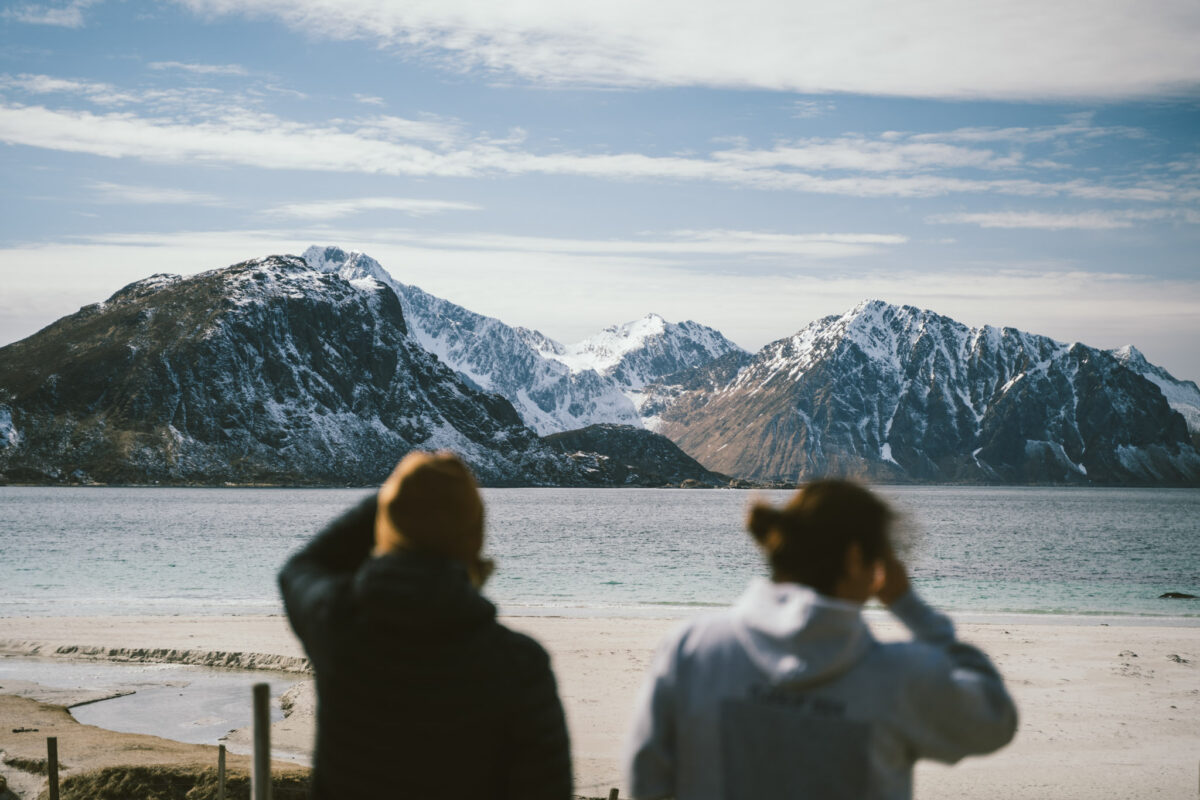
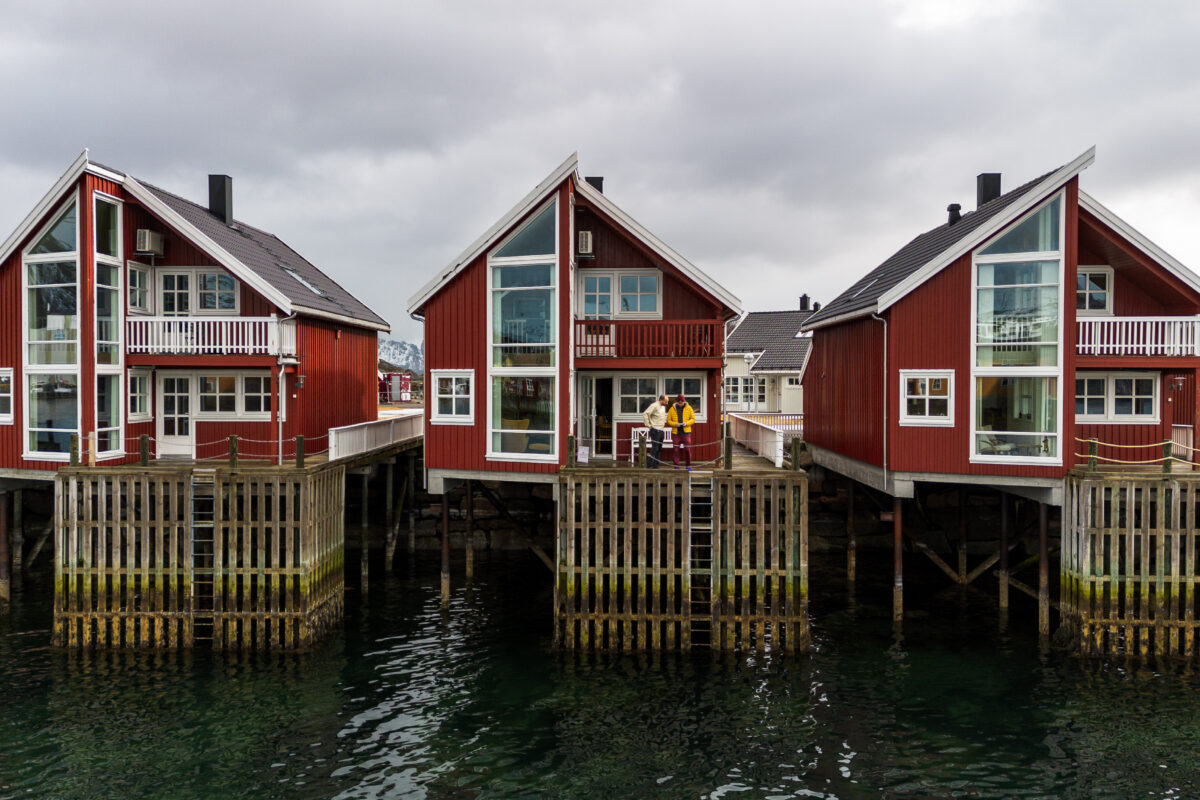
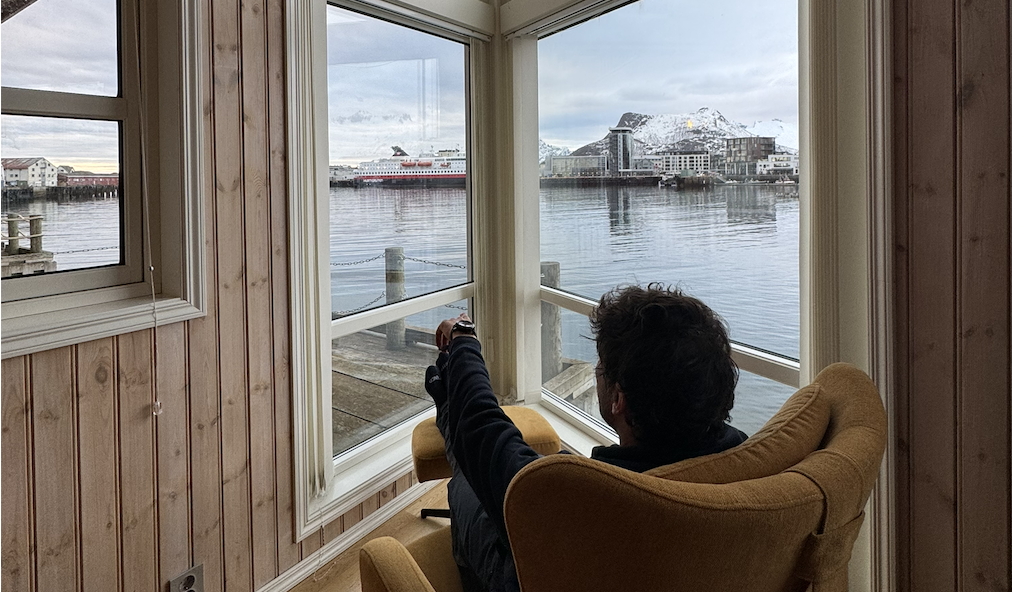
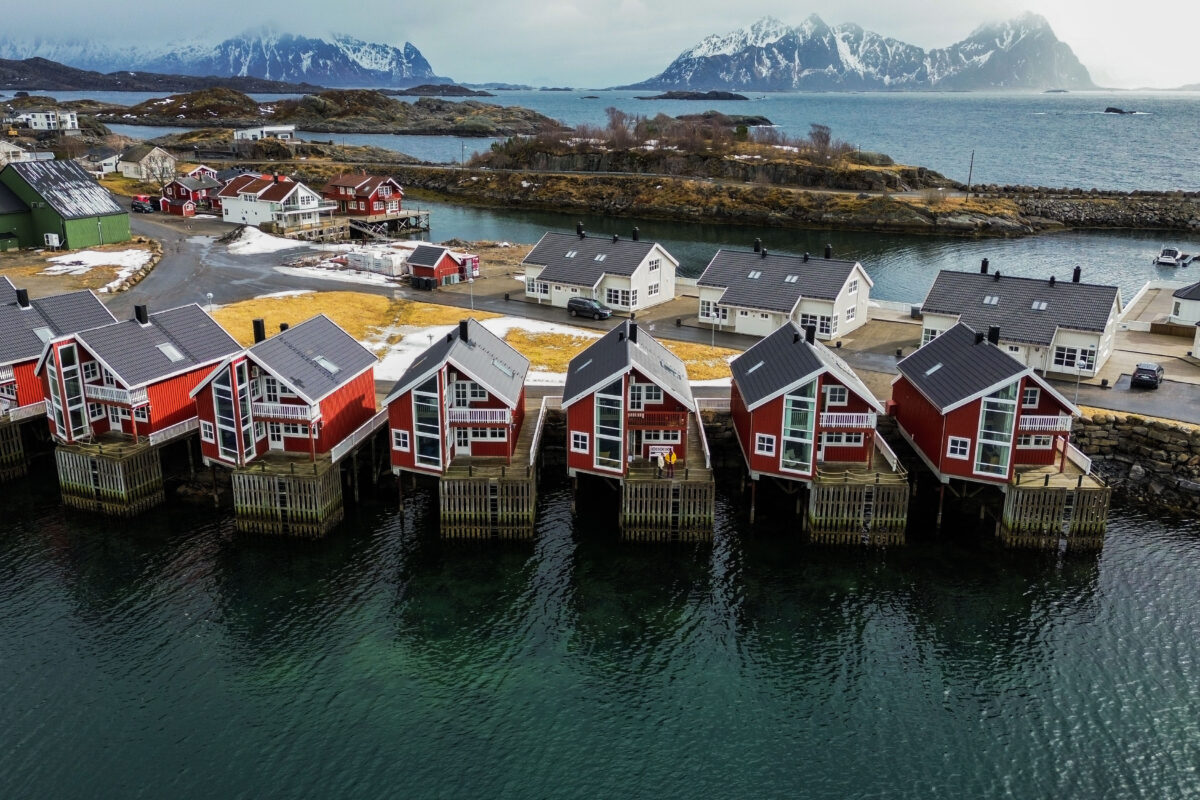
Lofoten’s iconic red rorbu cabins have stood above the water since the 1100s. Originally built for fishermen, today they serve as our base for skiing, hiking or even Arctic surfing. From the outside they look like something from a storybook; inside, pure Scandinavian design porn, complete with private saunas and terraces stretching over the sea where you can instantly plunge into the freezing water. And if someone ends up staying in for a day, sitting in an armchair staring out the window, that mental journey can easily become one of the richest experiences of the entire trip.


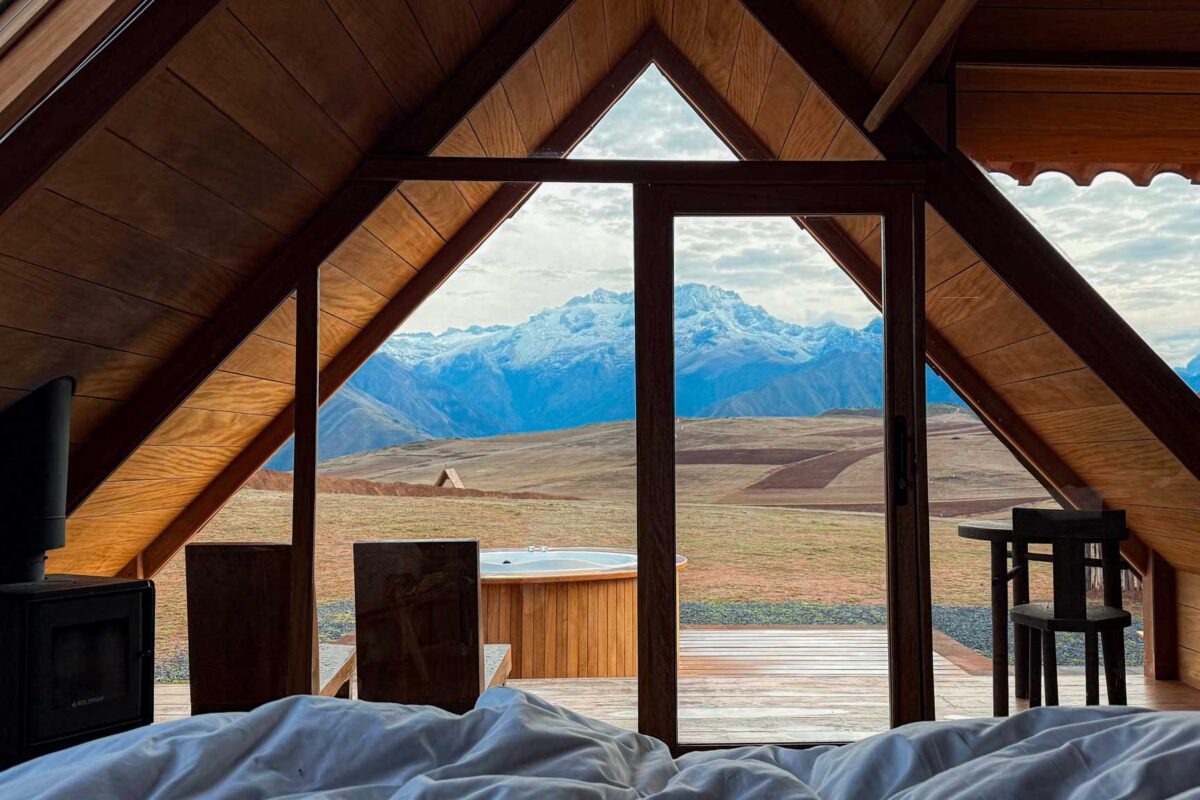
Mountain Lodge, Peru
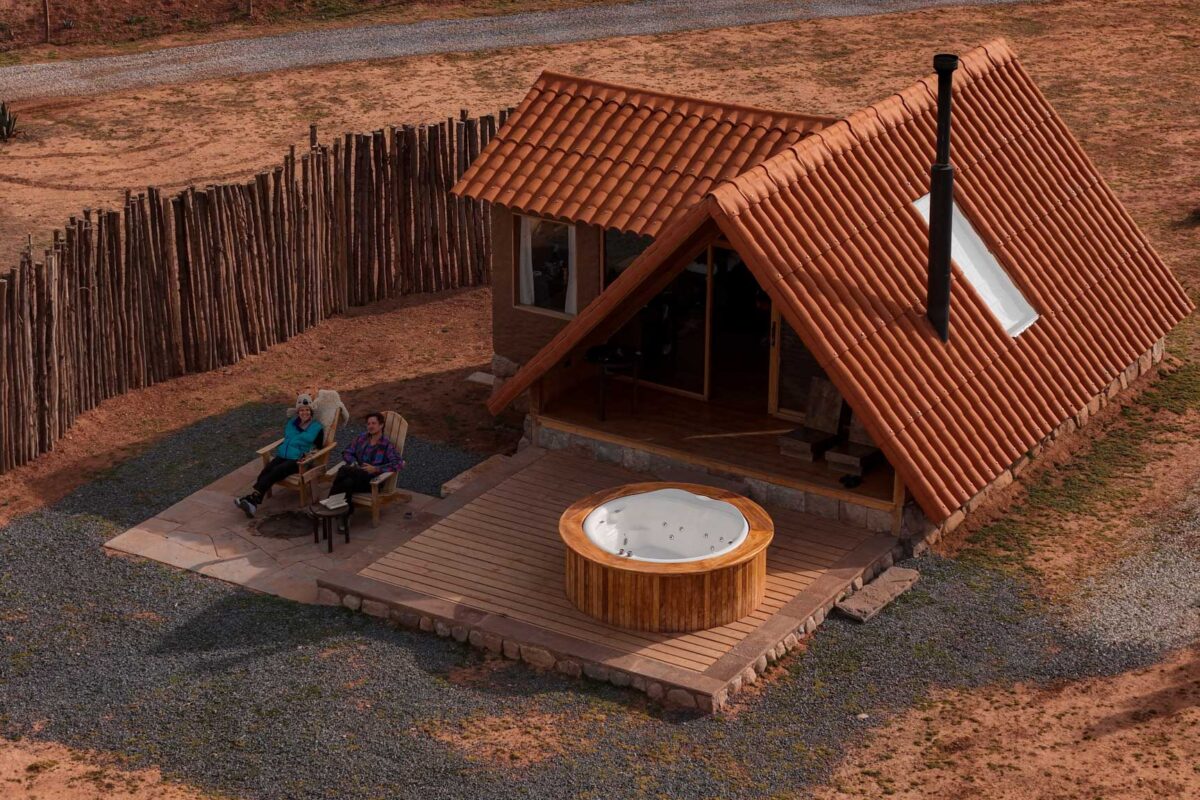
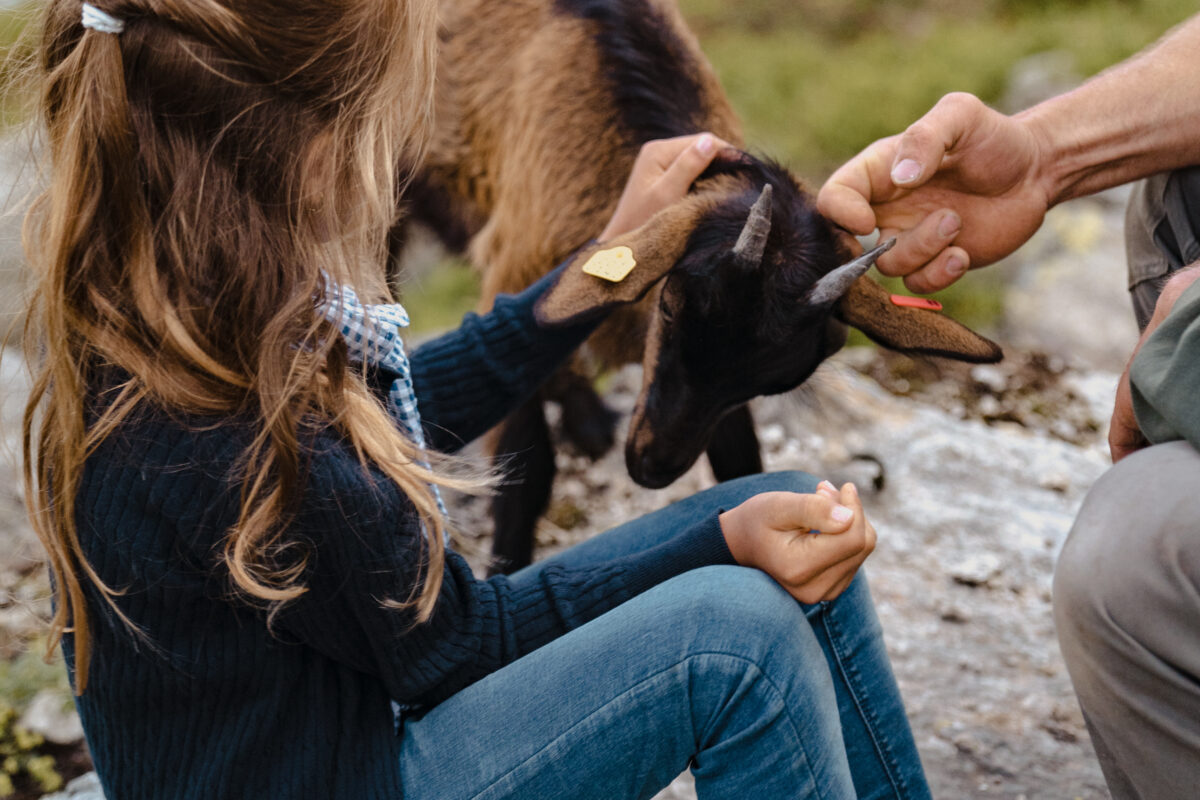
Most tourists book a separate programme just to pet a llama for a few minutes. We chose a lodge where they casually walk up to you while you’re sitting in a jacuzzi high in the Peruvian mountains, somewhere far above the noise of the world. The lodge hides among freely roaming llamas and alpacas, surrounded by dramatic peaks, incredible silence and sunsets that make everyday problems suddenly feel strangely irrelevant.



Cabins Beneath the Northern Lights, Lapland
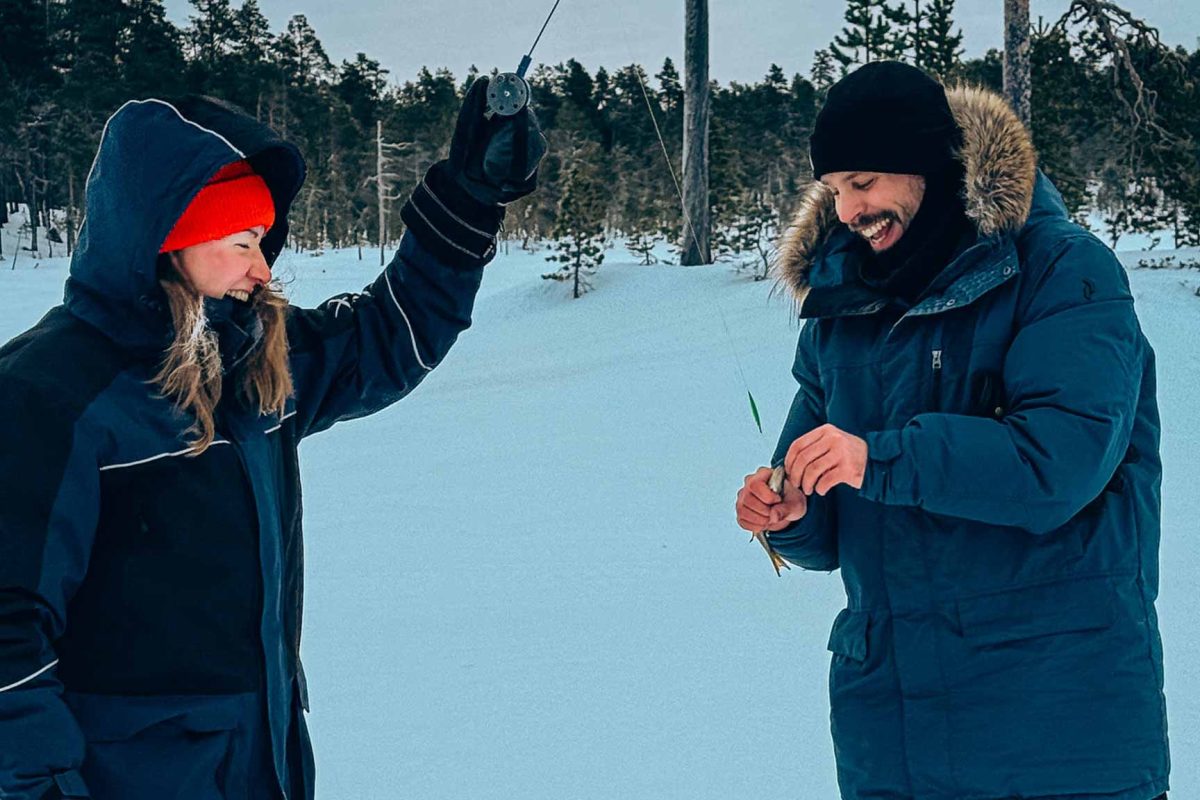
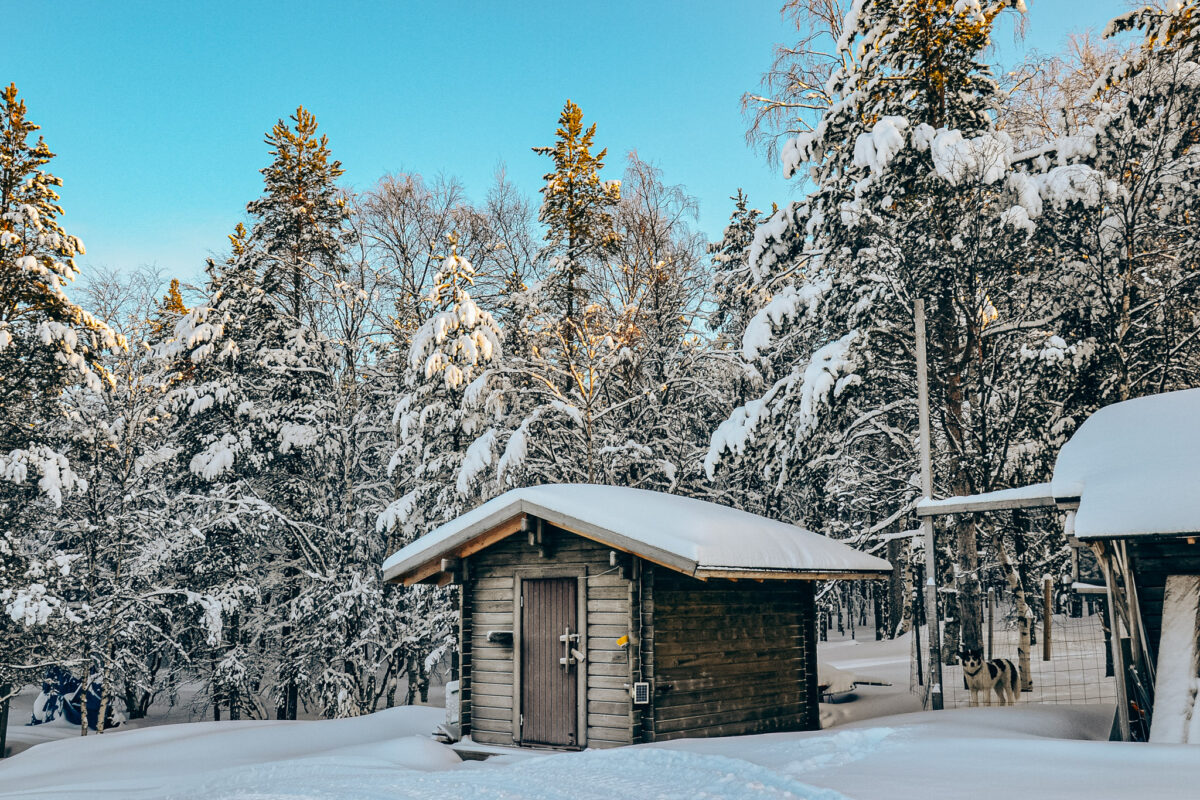
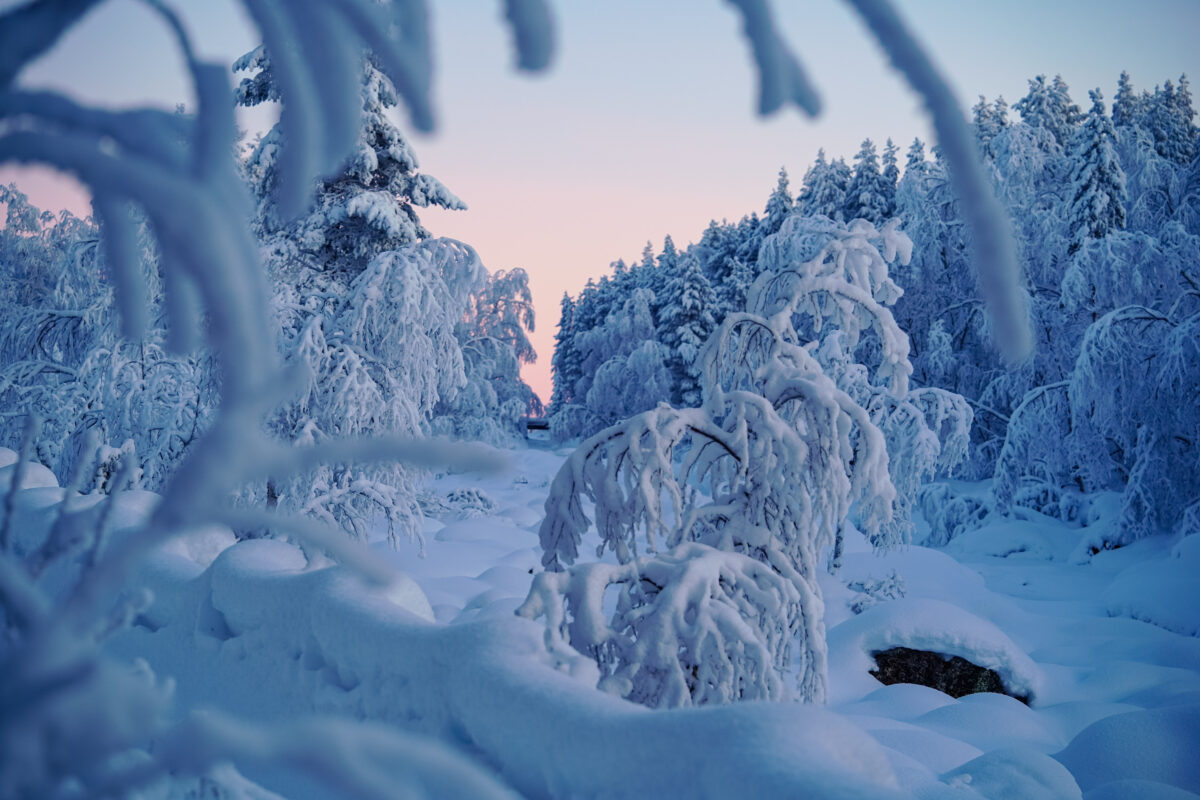
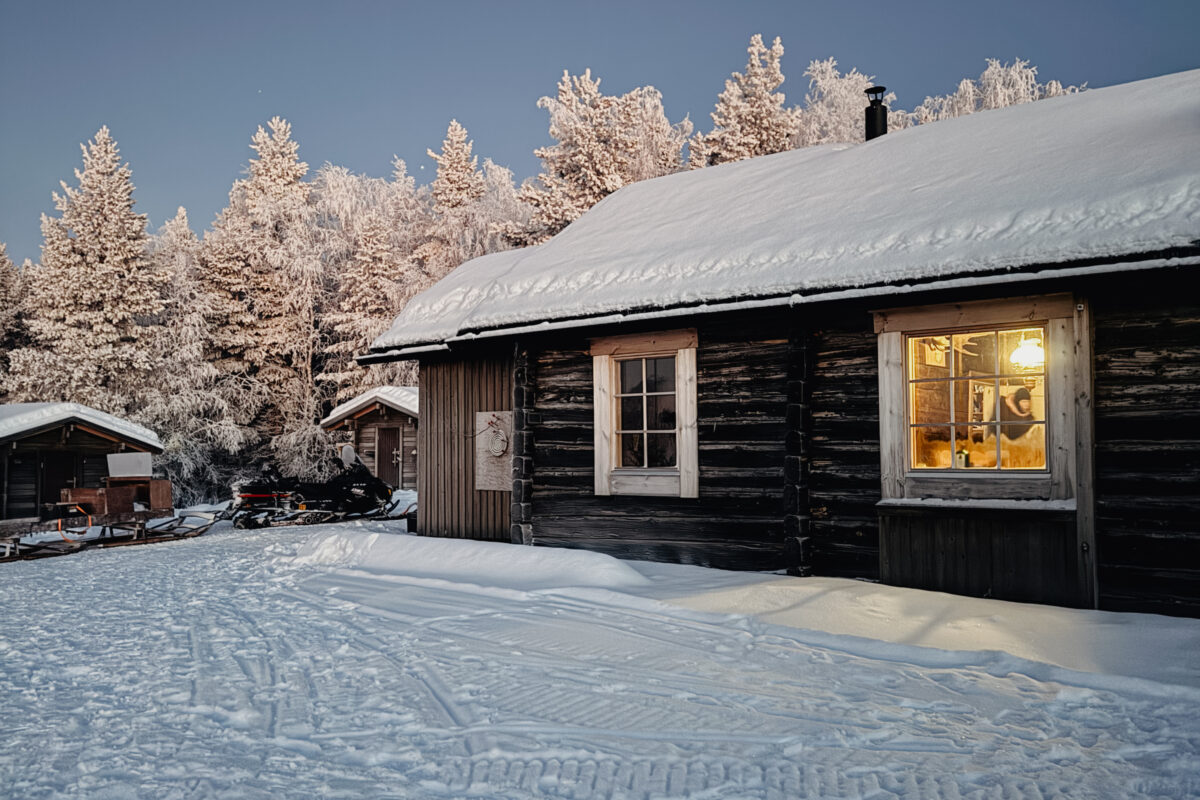
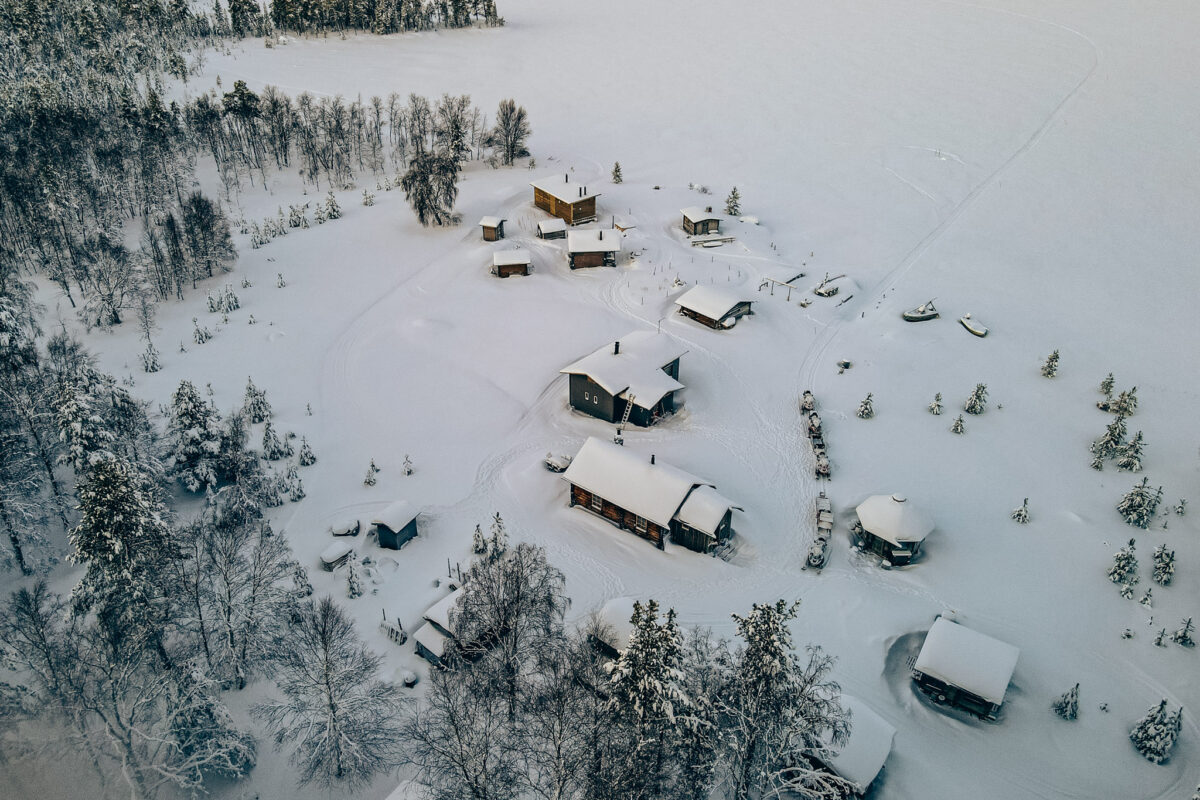
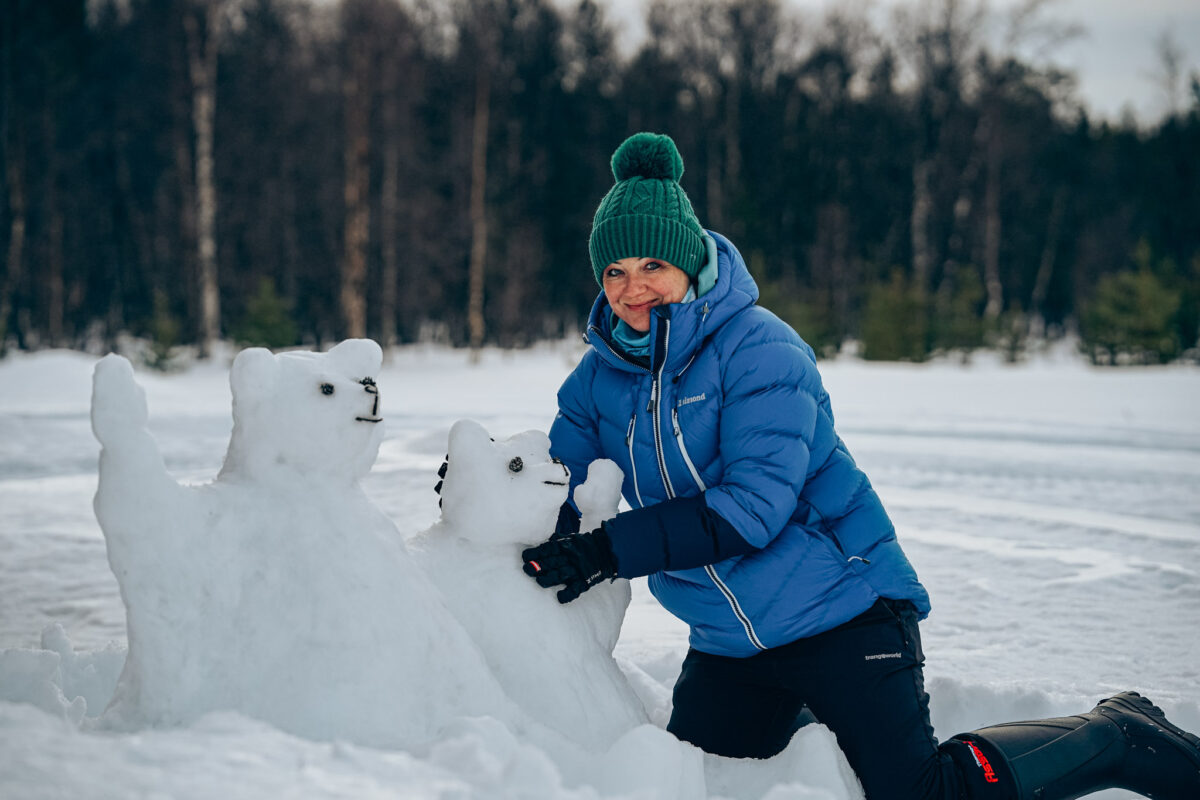
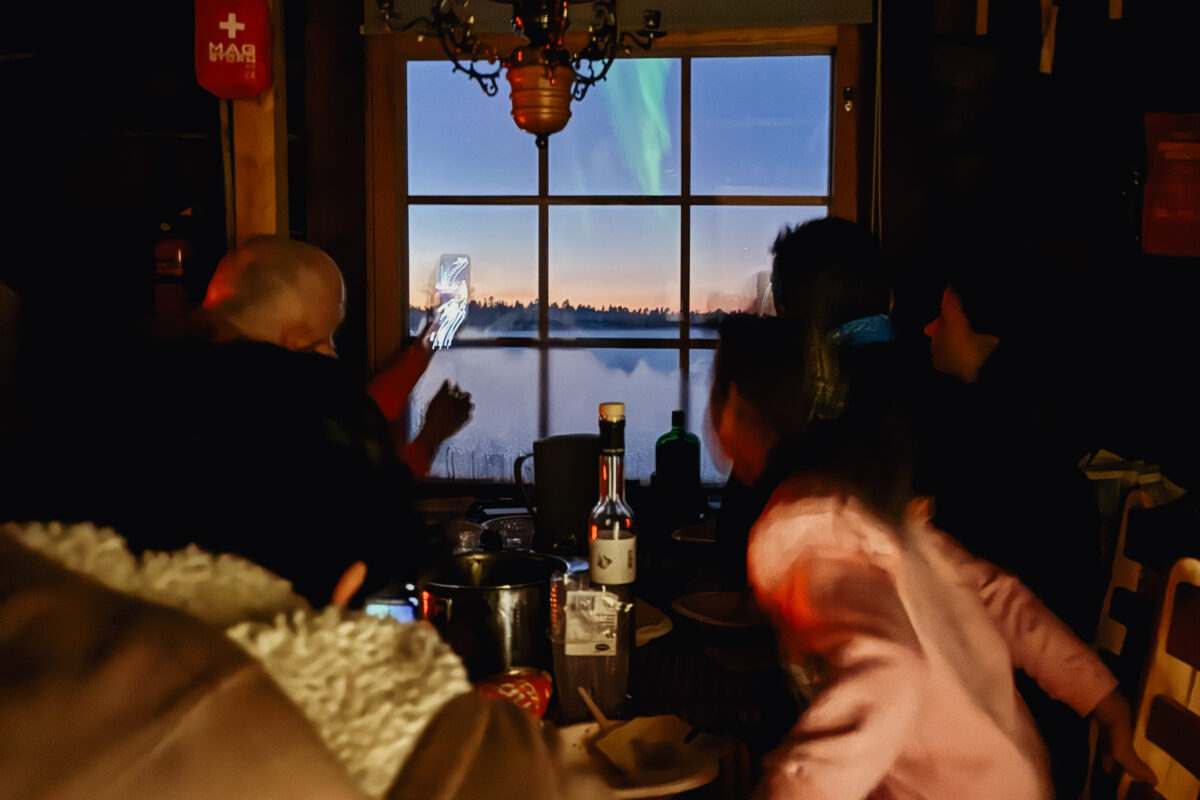
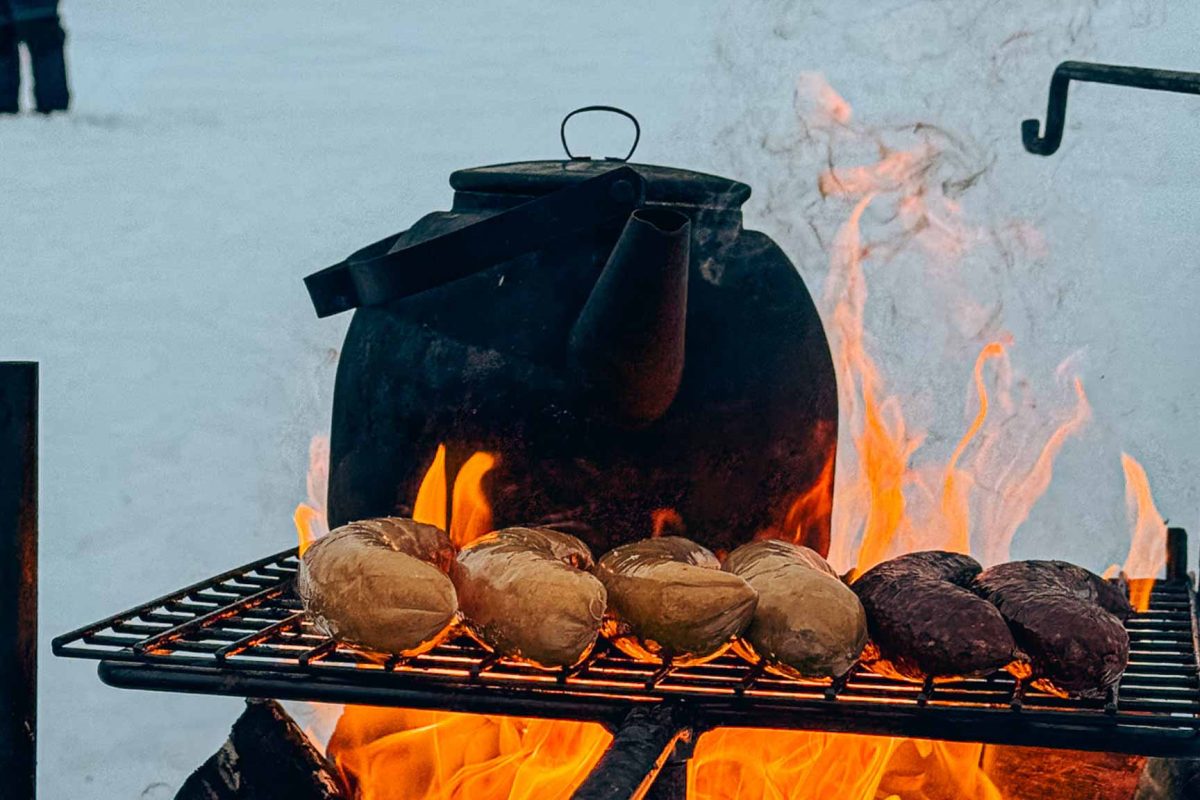
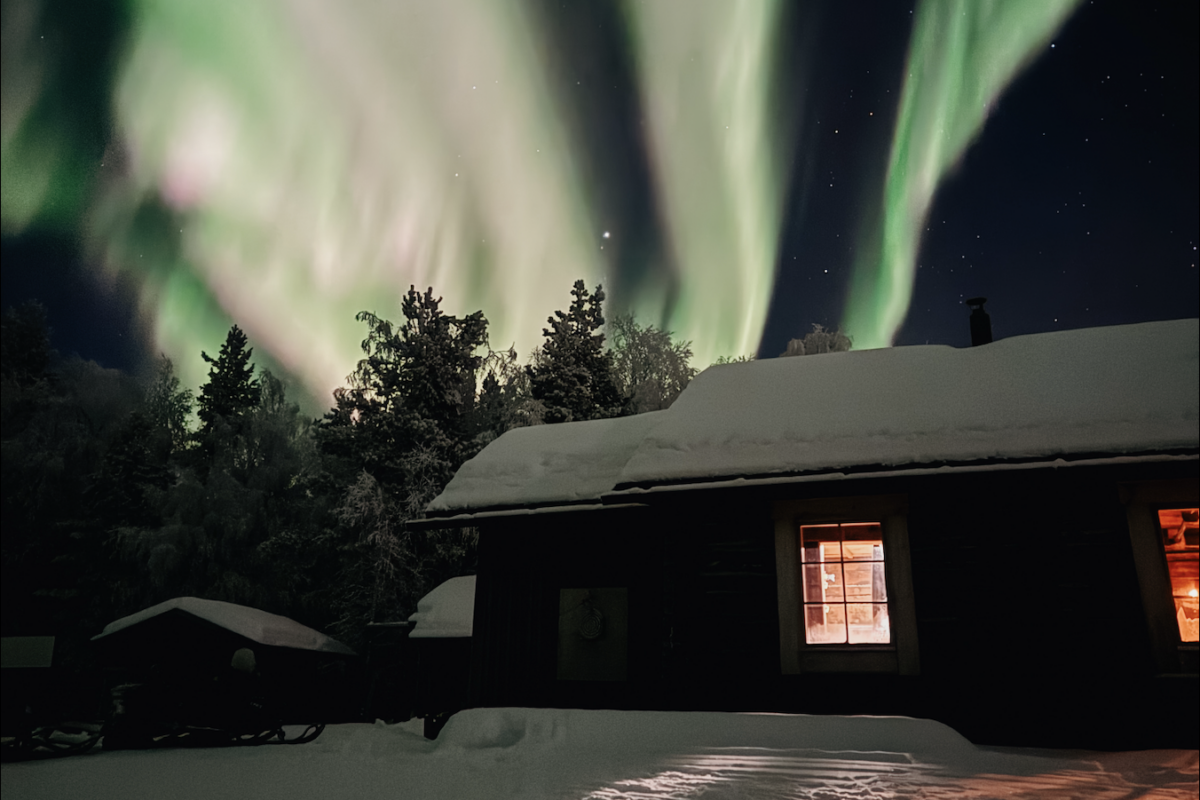
Our host Petri built the cabins, the sauna and even the lakeside cold-storage house with his own hands in a tiny Lapland settlement that barely exists on maps. At the centre stands a several-hundred-year-old Sámi log house, surrounded by endless snowfields, frozen lakes, northern lights and a level of silence that feels almost suspicious on your first night. Nothing works here at the push of a button. Water, heating, food and even the simplest parts of daily life require constant work and attention. Without ever making a big point of it, Petri quietly teaches you the logic of a simpler, more sustainable and less wasteful way of living. Meanwhile he hunts, fishes, cooks, preserves food and lives a completely self-sufficient life in the middle of the tundra — one we briefly get to step into ourselves while staying there.
Chele Chele, Tanzania
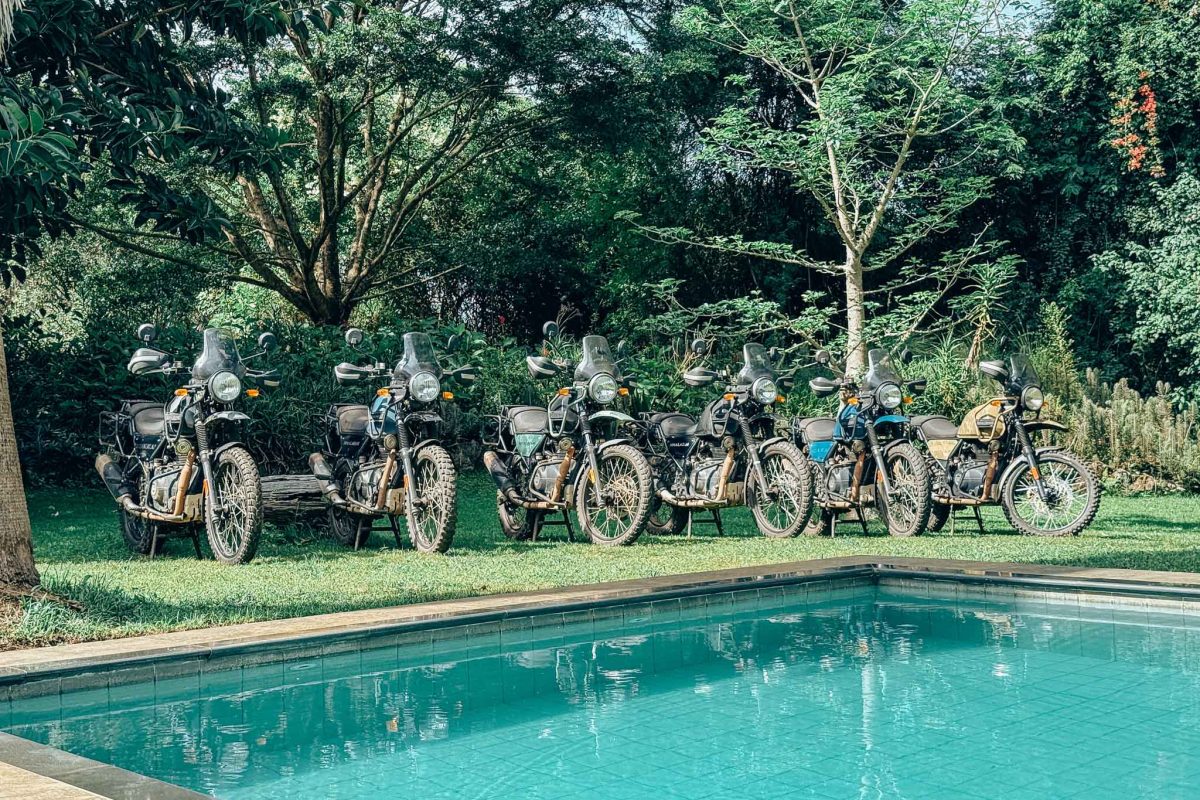
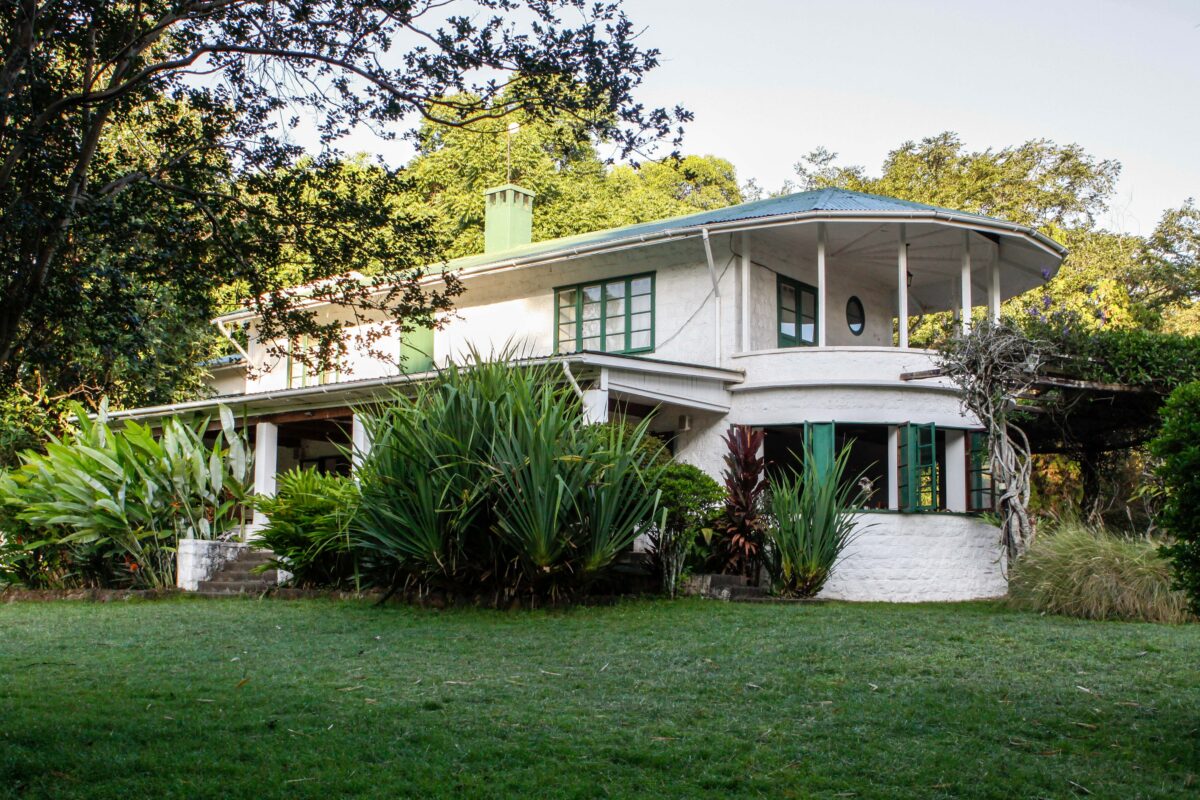
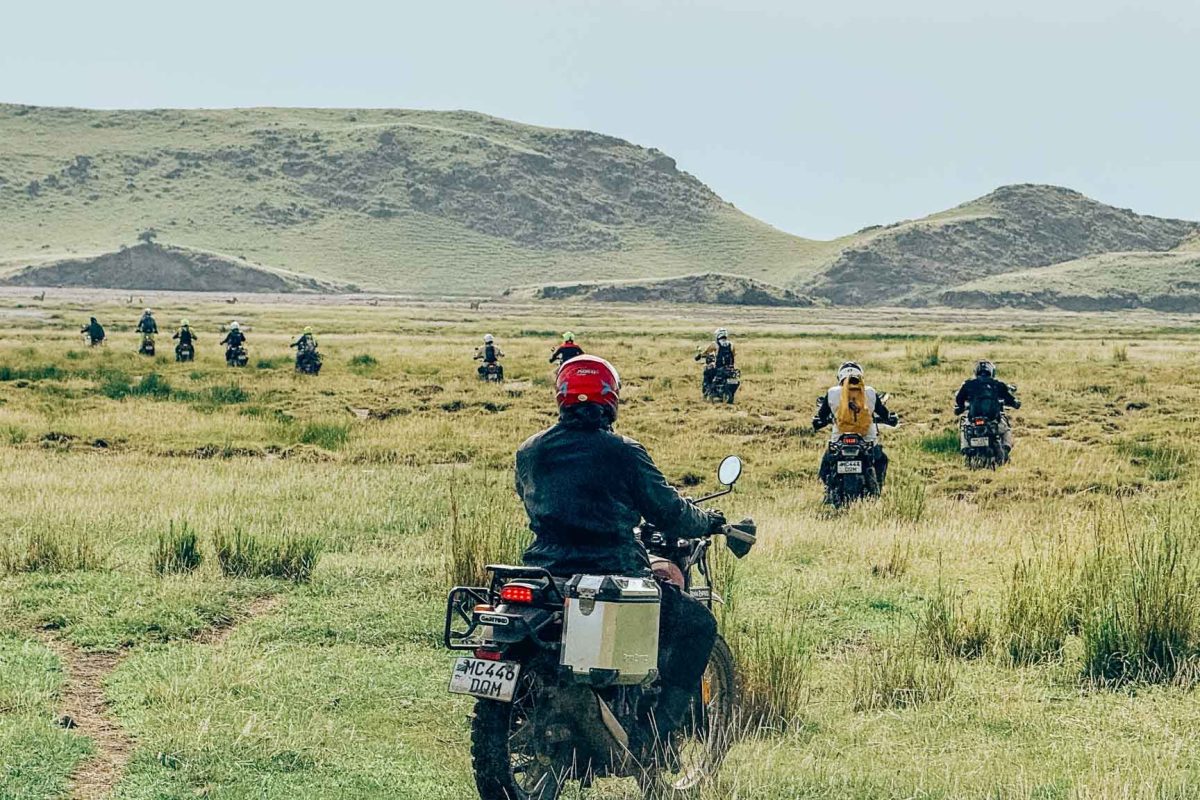
An elegant German Bauhaus villa built in the 1930s, standing in the middle of the savannah, where arriving after a long, dusty and brutally hot riding day feels almost surreal. Cold drinks on the terrace, a private pool and an incredible kitchen where both local dishes and European comfort food are prepared with equal care and skill. But the real soul of the place isn’t the building. It’s Aziz, the owner, and the community he built around it. The women working in the kitchen, the housekeepers, guards and safari guides don’t function like hotel staff — they genuinely feel like a family. In such a remote landscape, everything depends on people relying on one another, and you immediately feel that natural sense of care here. Nothing feels forced or exploitative. Just people who are genuinely proud of what they’ve created together in the middle of nowhere.


Alpine Luxury Hotel, Switzerland
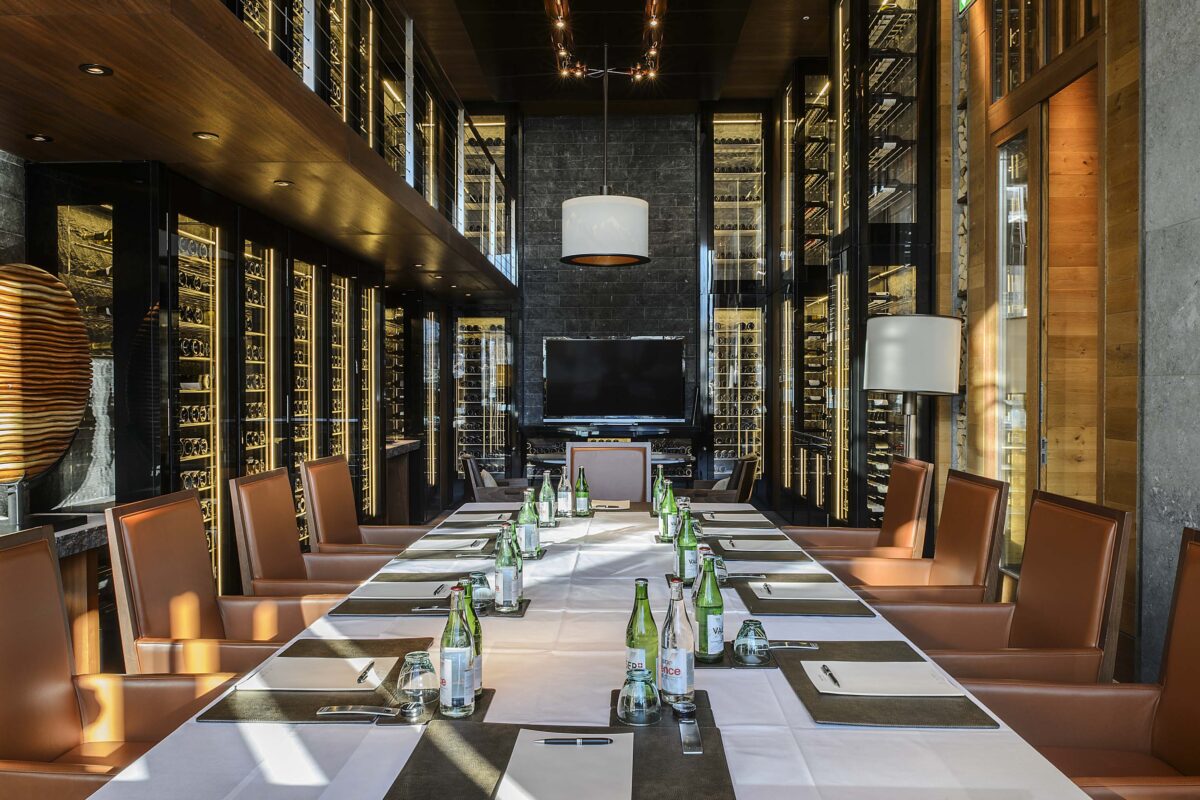
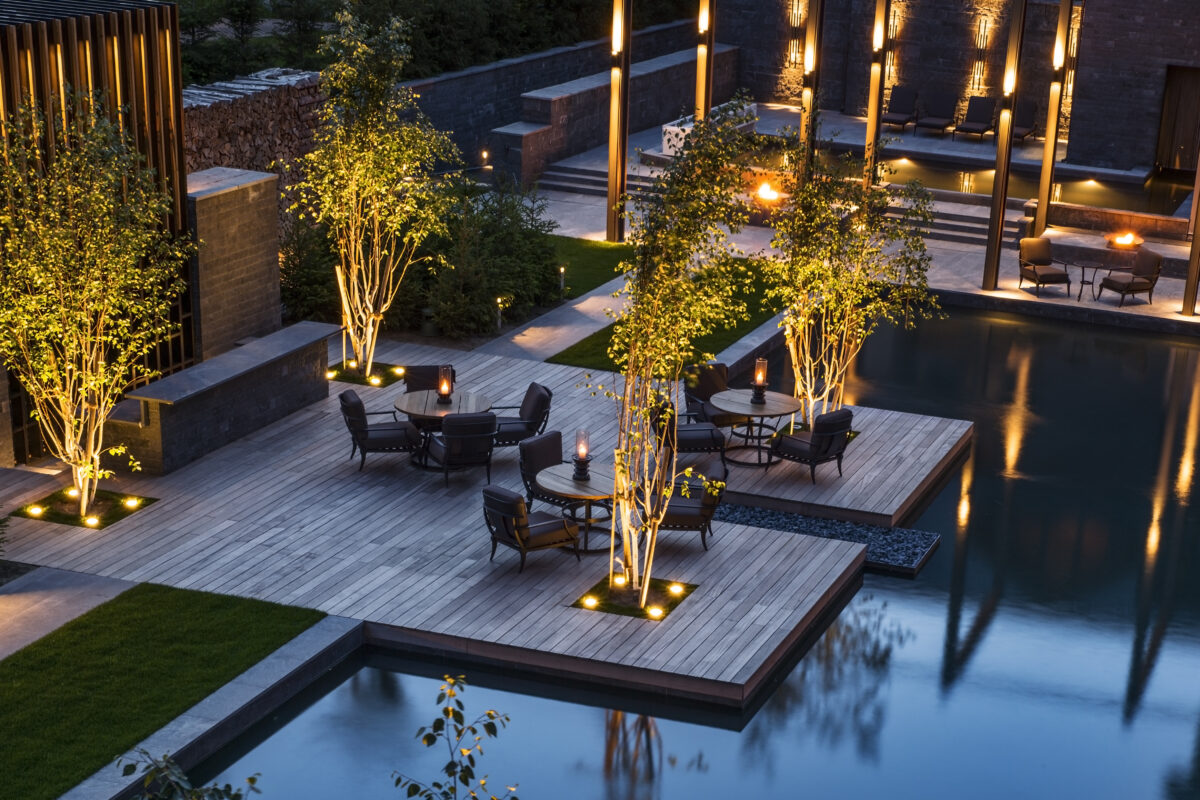
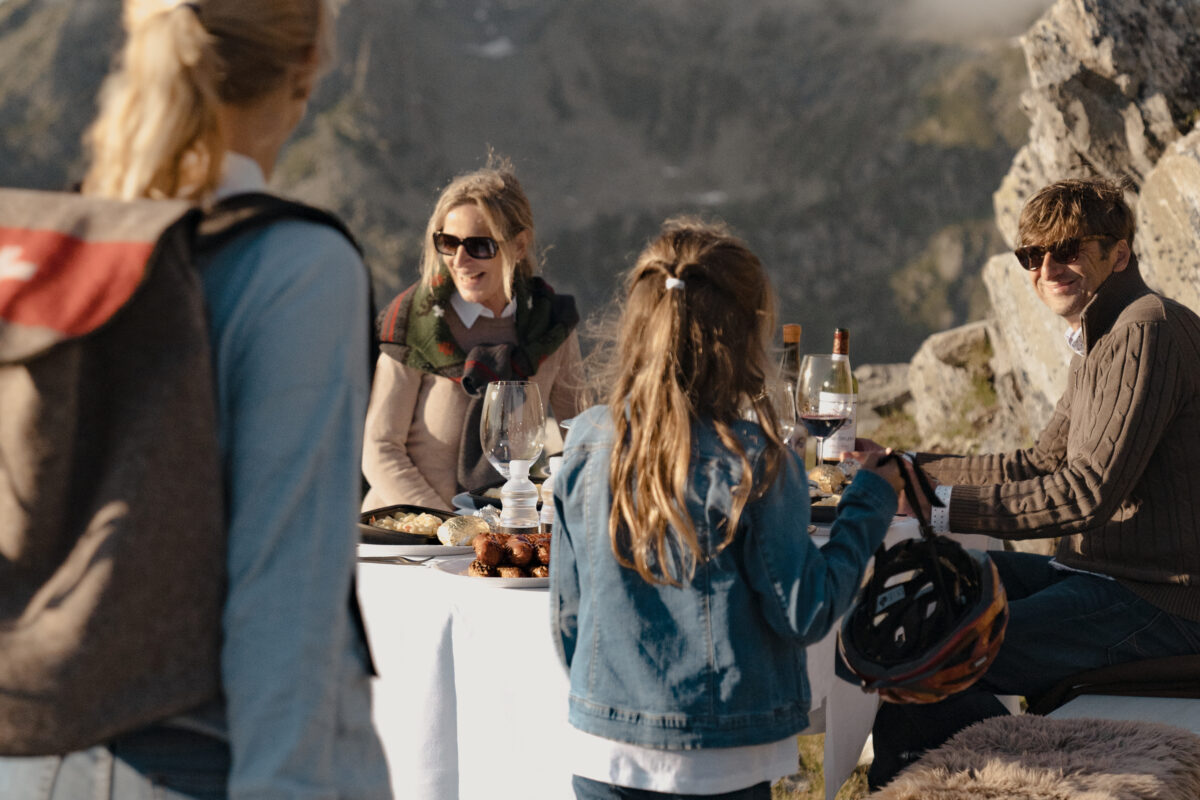
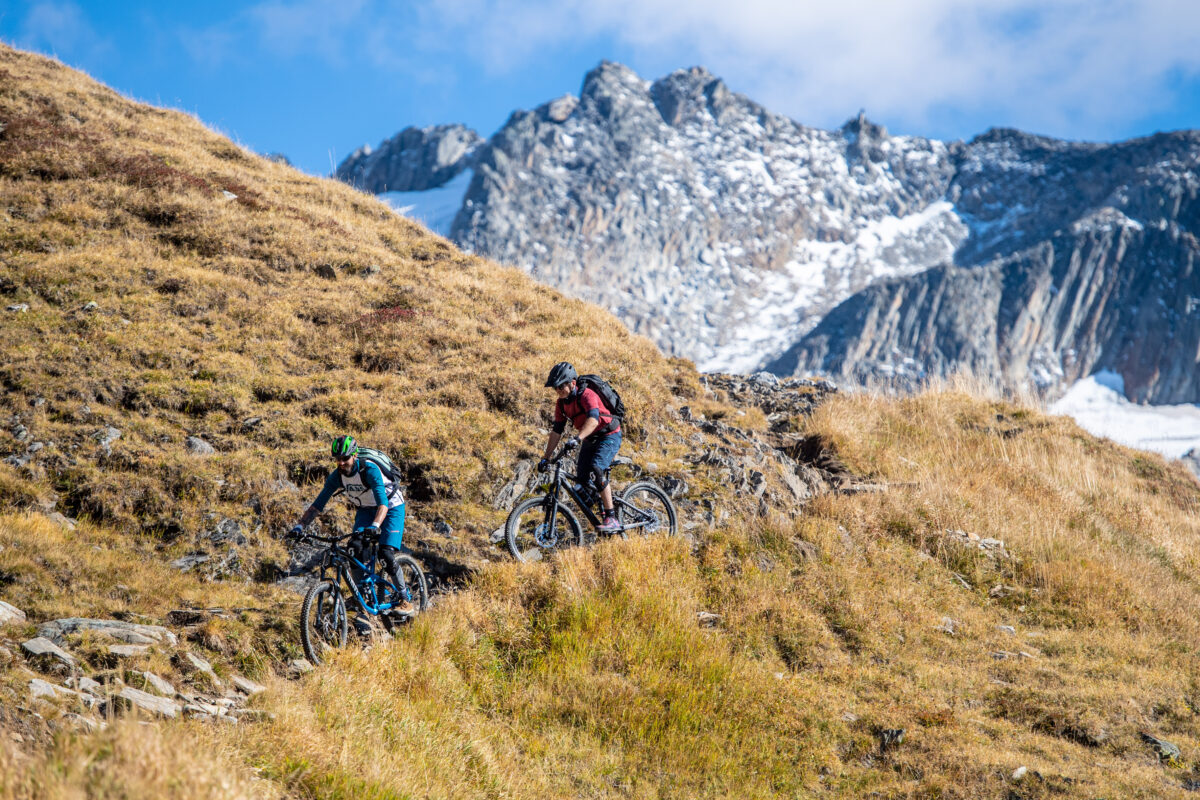
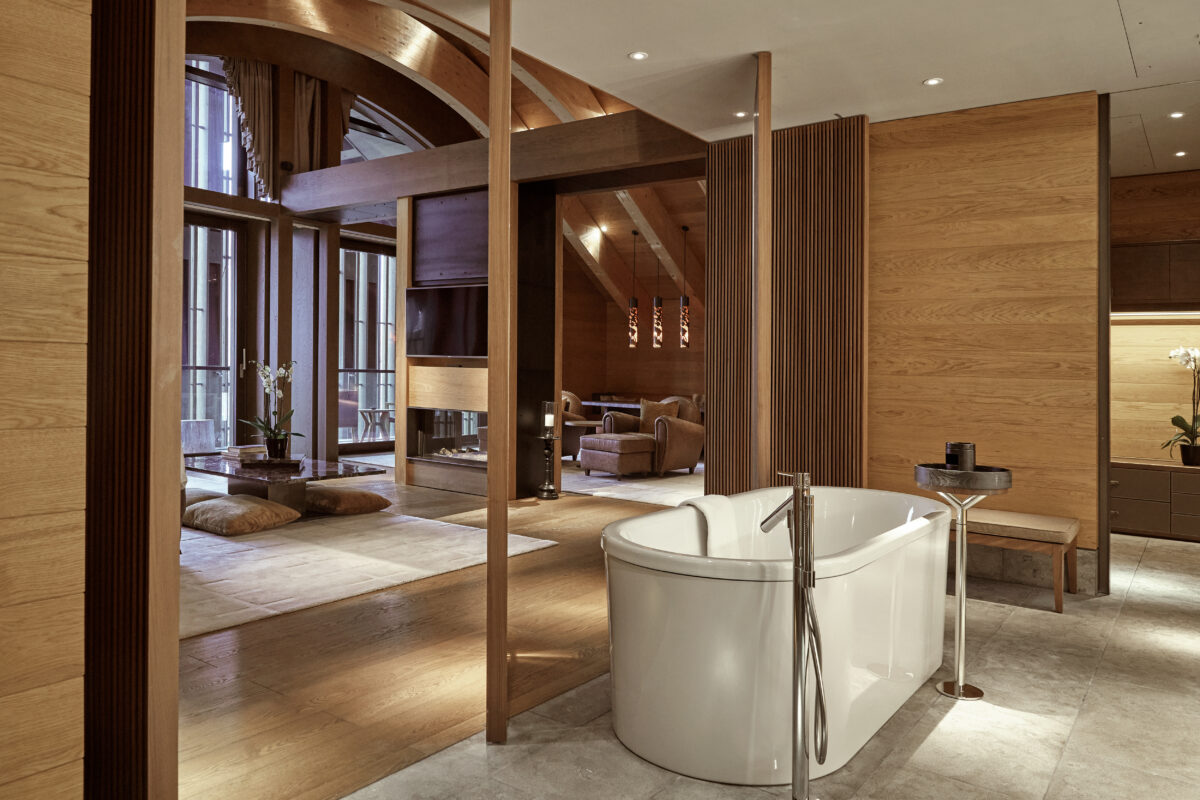
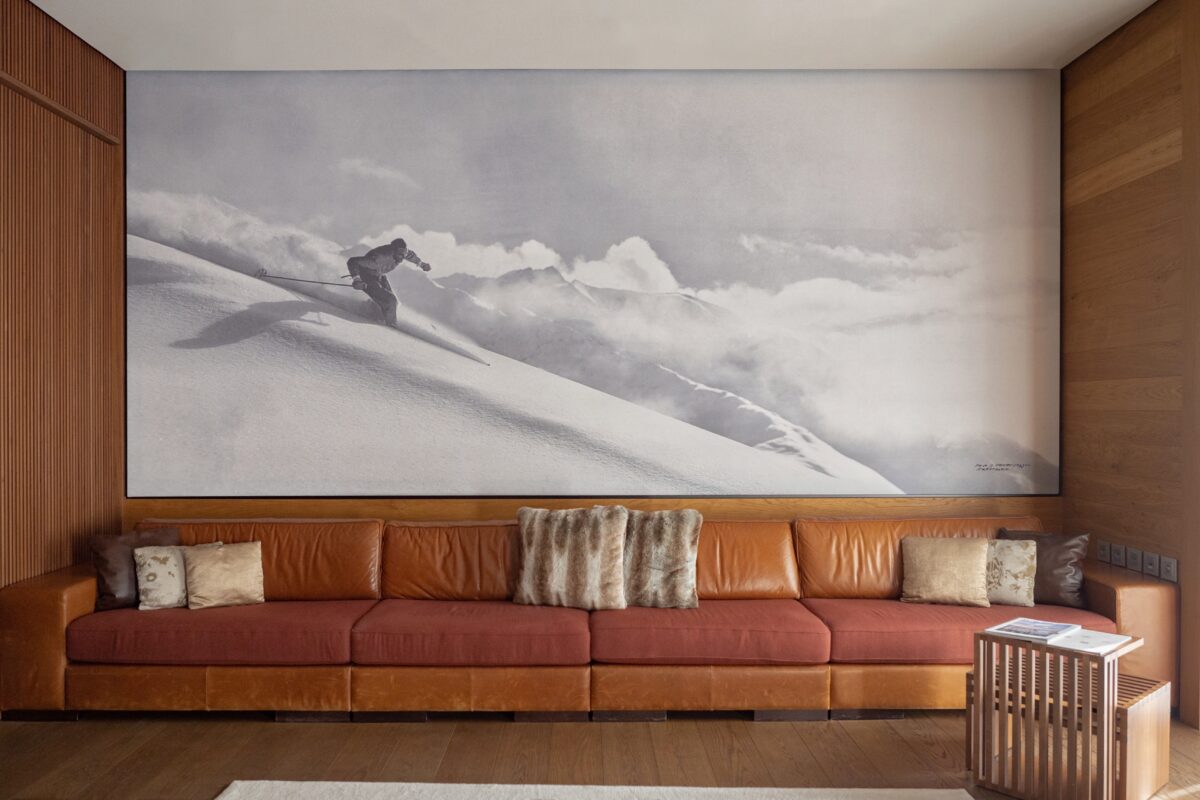
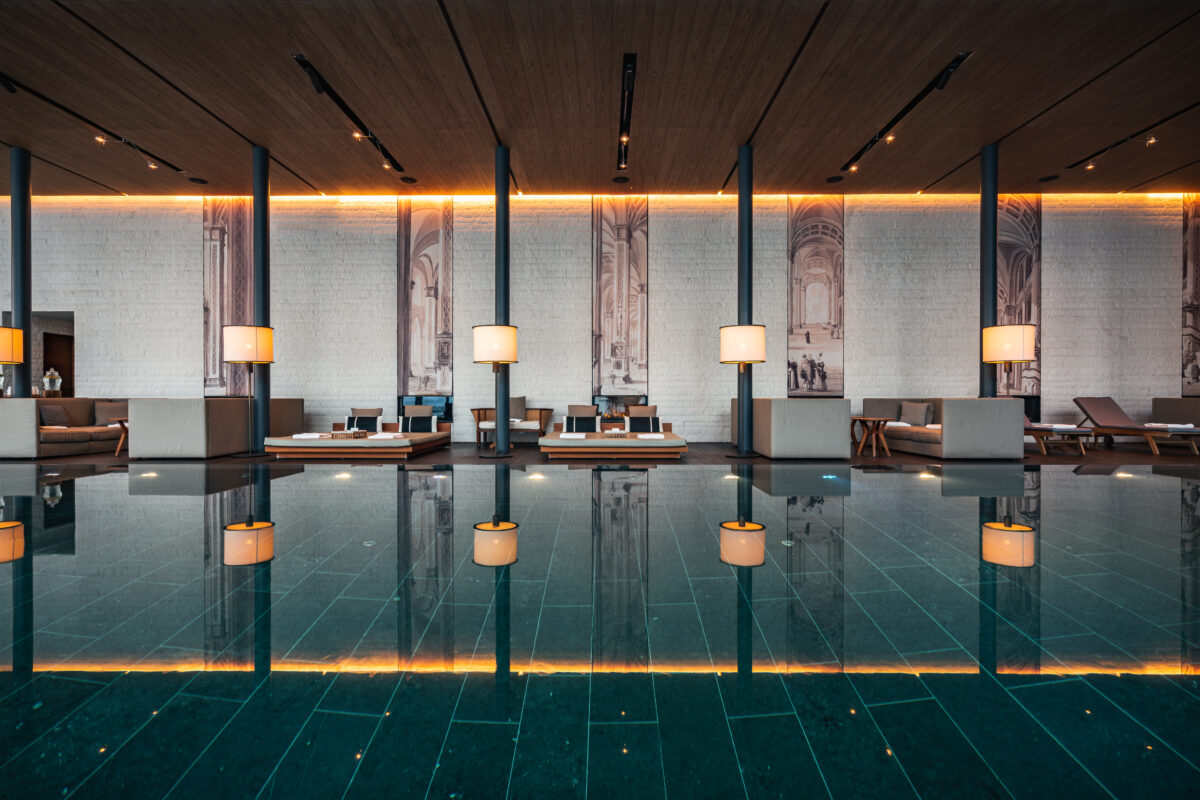
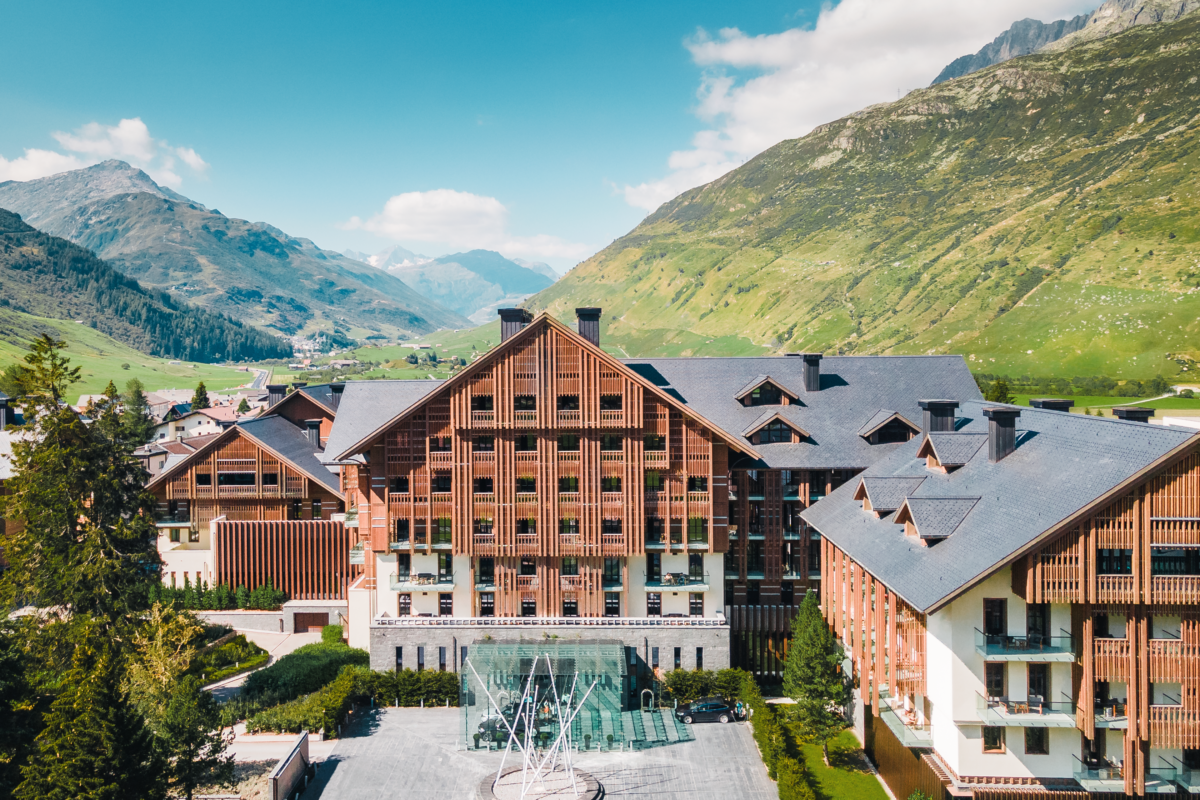
Sometimes the real adventure is having absolutely nothing to solve for a while. In winter, Andermatt is one of the best freeride bases in the Alps. In summer, it becomes an endless playground of mountain passes, glaciers and winding alpine roads that somehow convince you to take completely unnecessary detours by car. At the centre of it all sits The Chedi, voted one of the best hotels in Europe. From the outside it feels like a traditional Swiss mountain lodge; inside, warm wood, stone, fireplaces and calm Asian minimalism make it feel more like a sanctuary than a luxury hotel complex. Outside, the days are filled with skiing, hiking or hunting down legendary alpine passes. Inside, thousands of square metres of spa space, Japanese and Swiss fine dining, silence and slowing down. And unlike many luxury hotels, The Chedi takes sustainability seriously too — renewable energy, local partnerships, regional ingredients and systems designed so that luxury feels more connected to its environment, not separated from it.
Yurt Stay, Kyrgyzstan
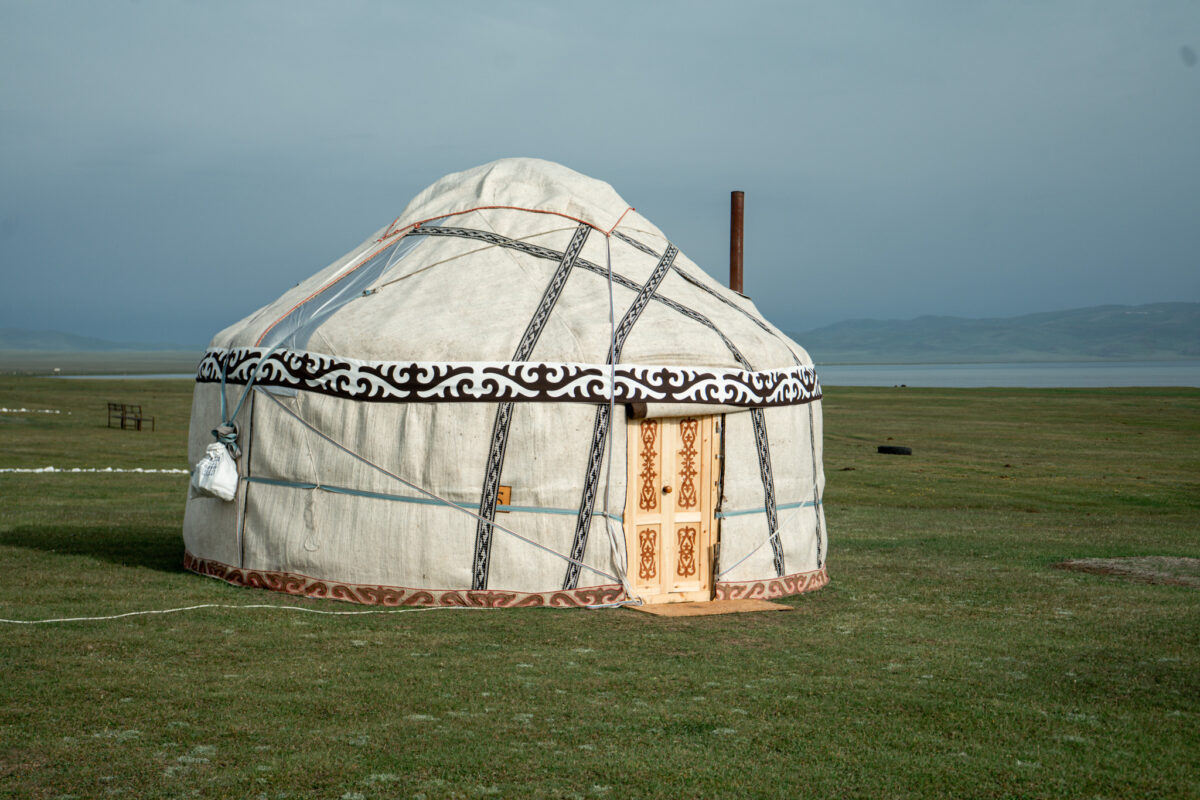
In Kyrgyzstan, nomadic culture is not a museum installation or a tourist performance — it’s still part of everyday life. And you only truly understand that once you stop observing it from the outside and become part of it for a few days yourself. Deep in the Tien Shan mountains, we stay in family-run yurts, share dinners, drink tea and listen to stories while horses, donkeys, goats and sheep graze around the alpine lakes outside. During summer, nomadic shepherd families still move up to these high mountain pastures exactly as they have for centuries: herding animals, milking horses, hunting with golden eagles and living for months among the mountains in felt-covered yurts. The whole experience feels both incredibly distant and completely natural at the same time, as if you accidentally stepped into a different timeline for a few days.