The Fifth Balkan Rally Concludes After 1,150 Kilometres with Victory Decided by the Smallest of Margins
Eight days, 1,150 kilometres, four countries, nearly 180 participants and more than 90 vehicles.
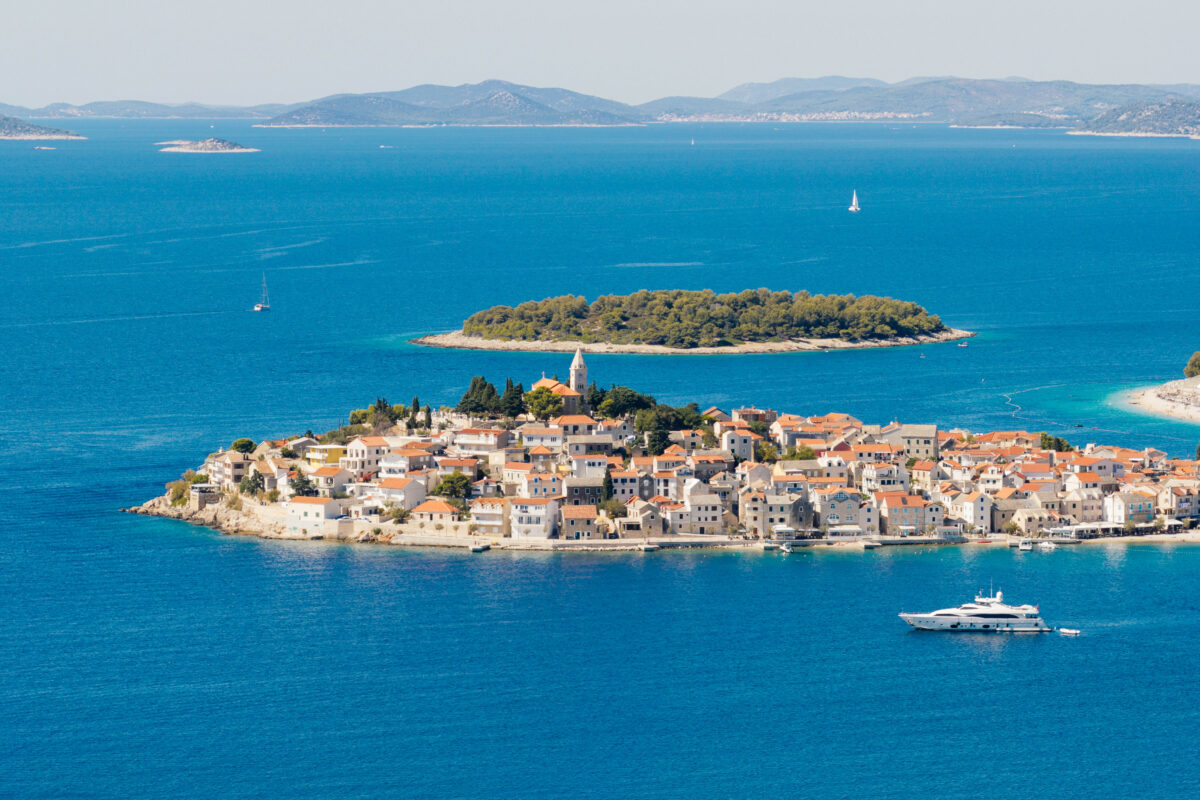
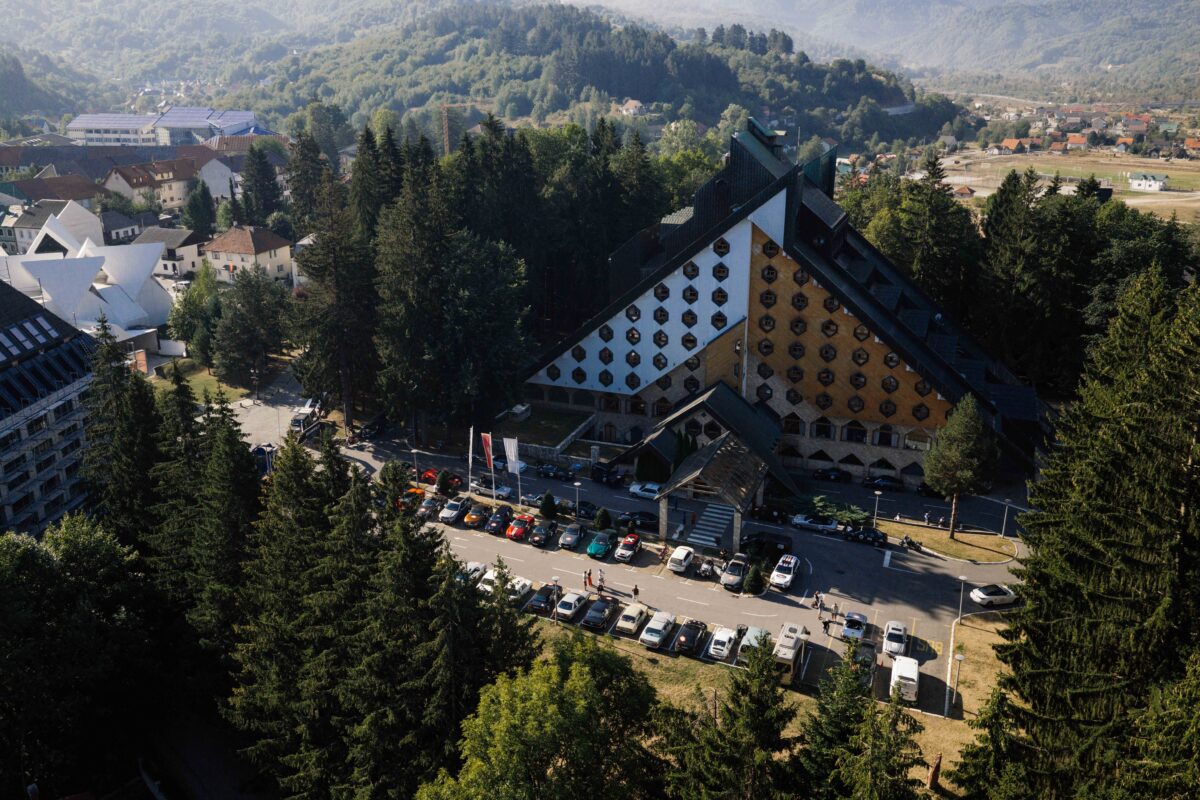
Eight days, 1,150 kilometres, four countries, nearly 180 participants and more than 90 vehicles. In mid-September, the fifth edition of the Balkan Rally reached the finish line, delivering not only a new route but some of the closest results in the event’s history. For the first time, the international field set off from the historic old town of Trogir in Croatia, before travelling through Bosnia and Herzegovina and Montenegro and – also for the first time in Balkan Rally history – into Albania.
What sets the Balkan Rally apart is that speed alone will not get you very far. The competition is all about precision: every team starts with the same number of points, and from that moment on, there is only one direction they can go – down.
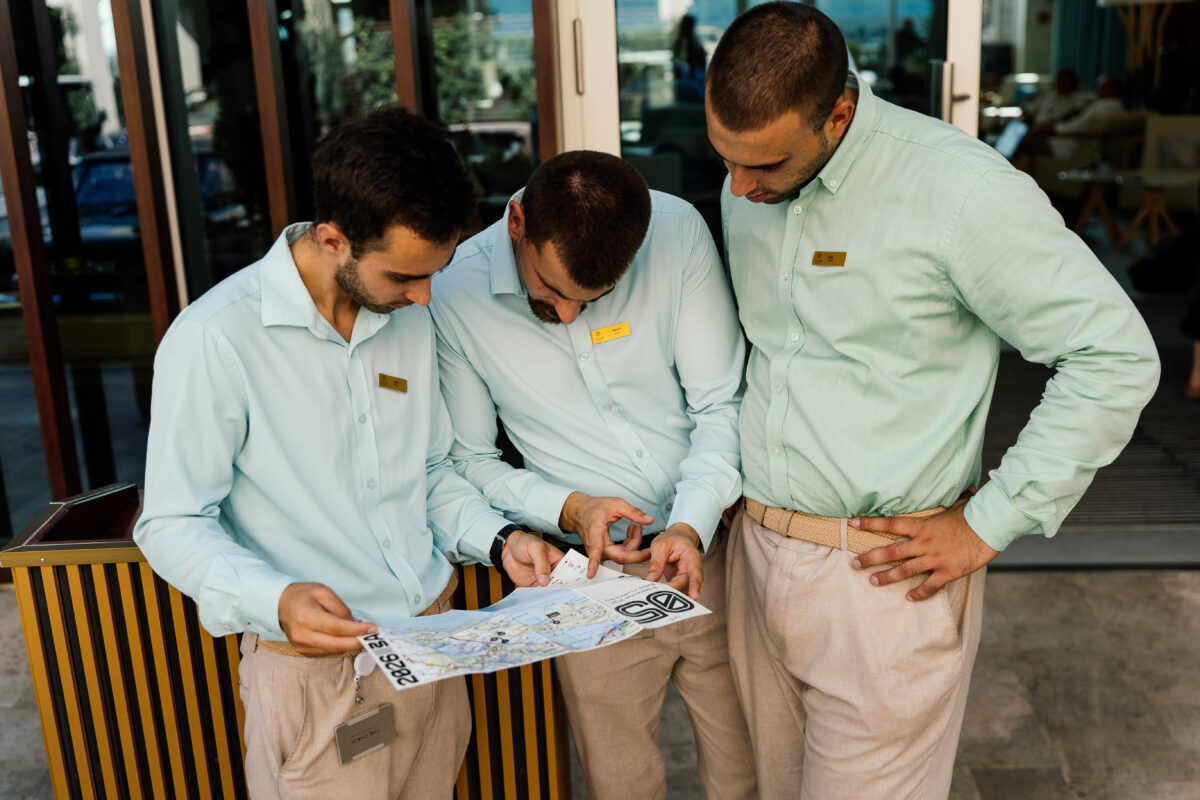
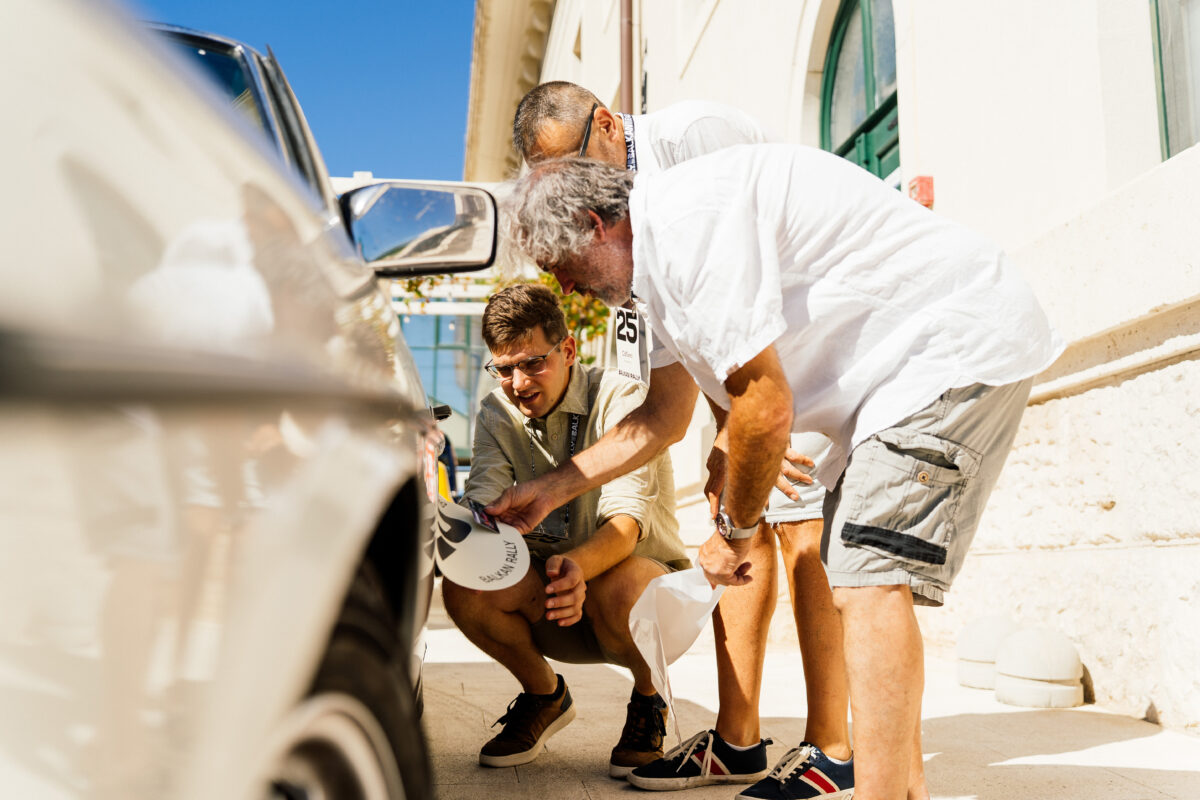
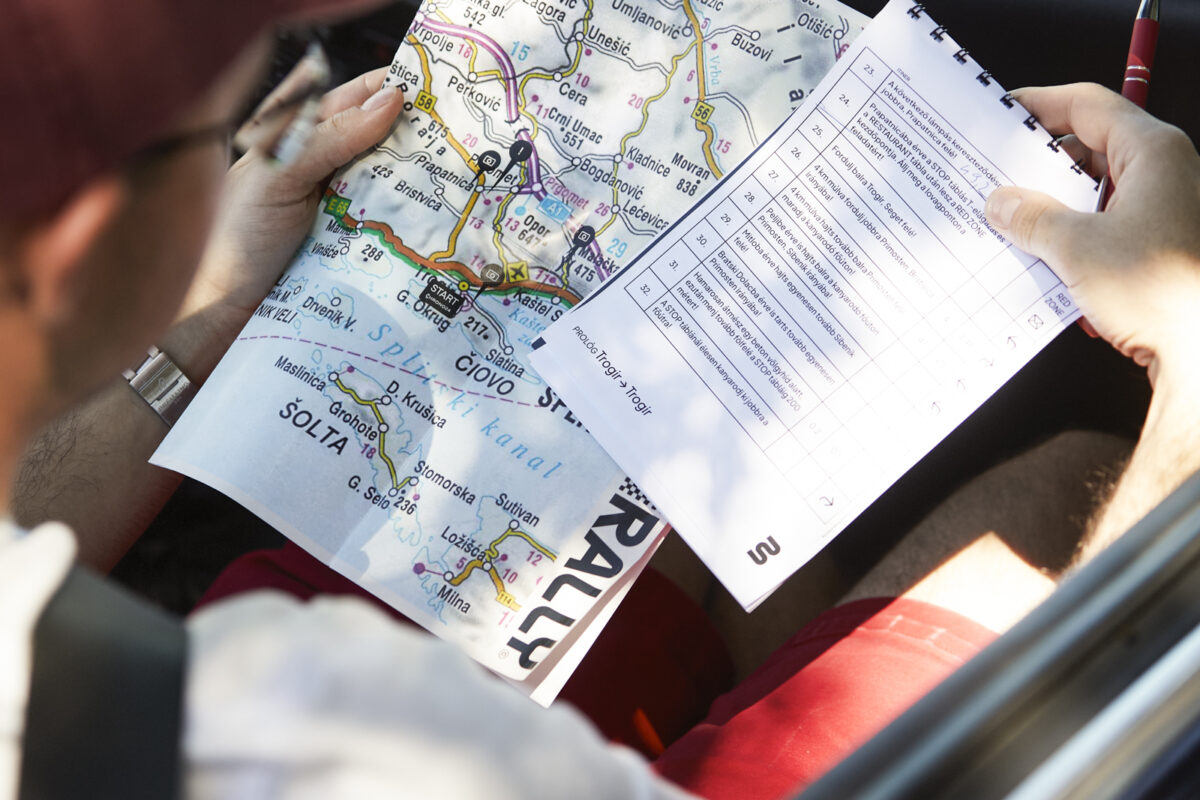
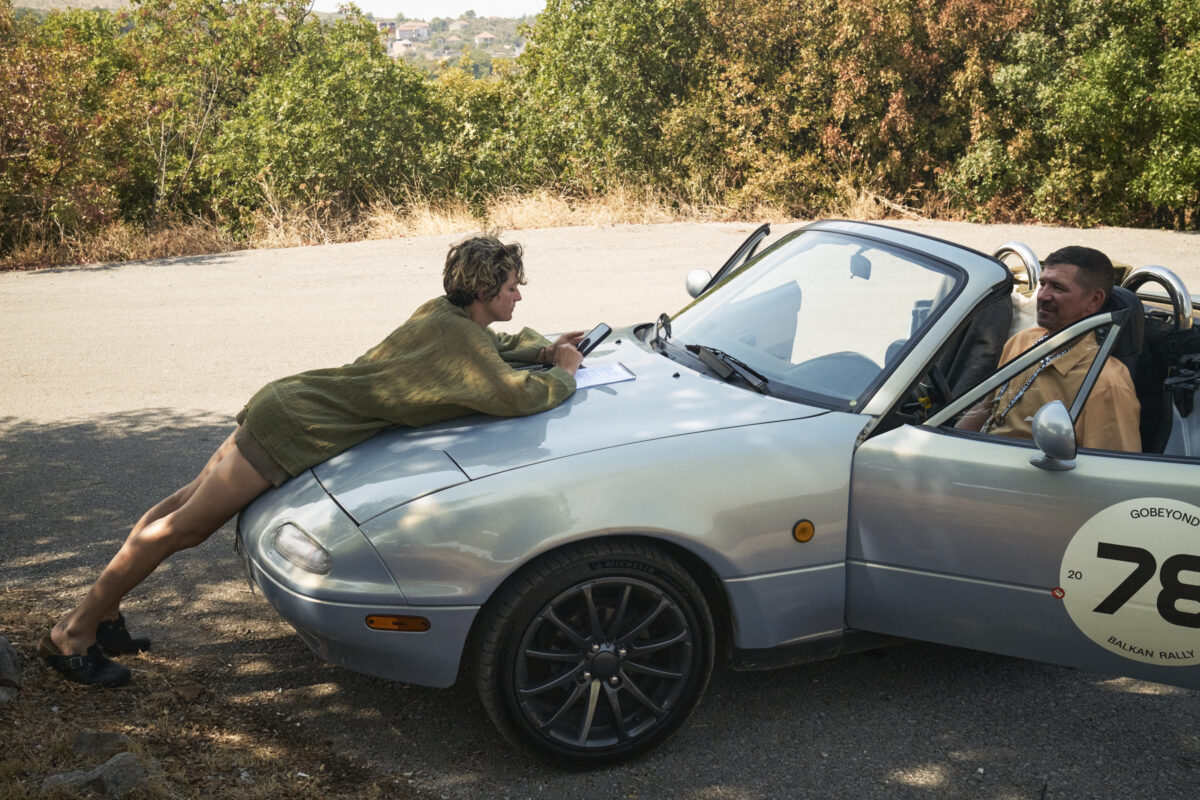
Each day, participants solve a series of challenges to determine their target driving time, while the route itself must be followed using analogue navigation. One wrong decision can send a team in the wrong direction, while being just a few minutes off the target time is enough to lose valuable points. Daily photo challenges add another layer to the competition, often demanding just as much creativity as the navigation requires concentration.
There is, however, one safety net. Of the eight competition days, every team is allowed to discard one: under the “drop day” rule, their weakest daily result does not count towards the final score. What may sound like a generous margin for error can become a significant tactical factor in a field this closely matched. This year, it became even more decisive: several podium positions ultimately came down to that single discarded day.
What the Roadbook Cannot Prepare You For
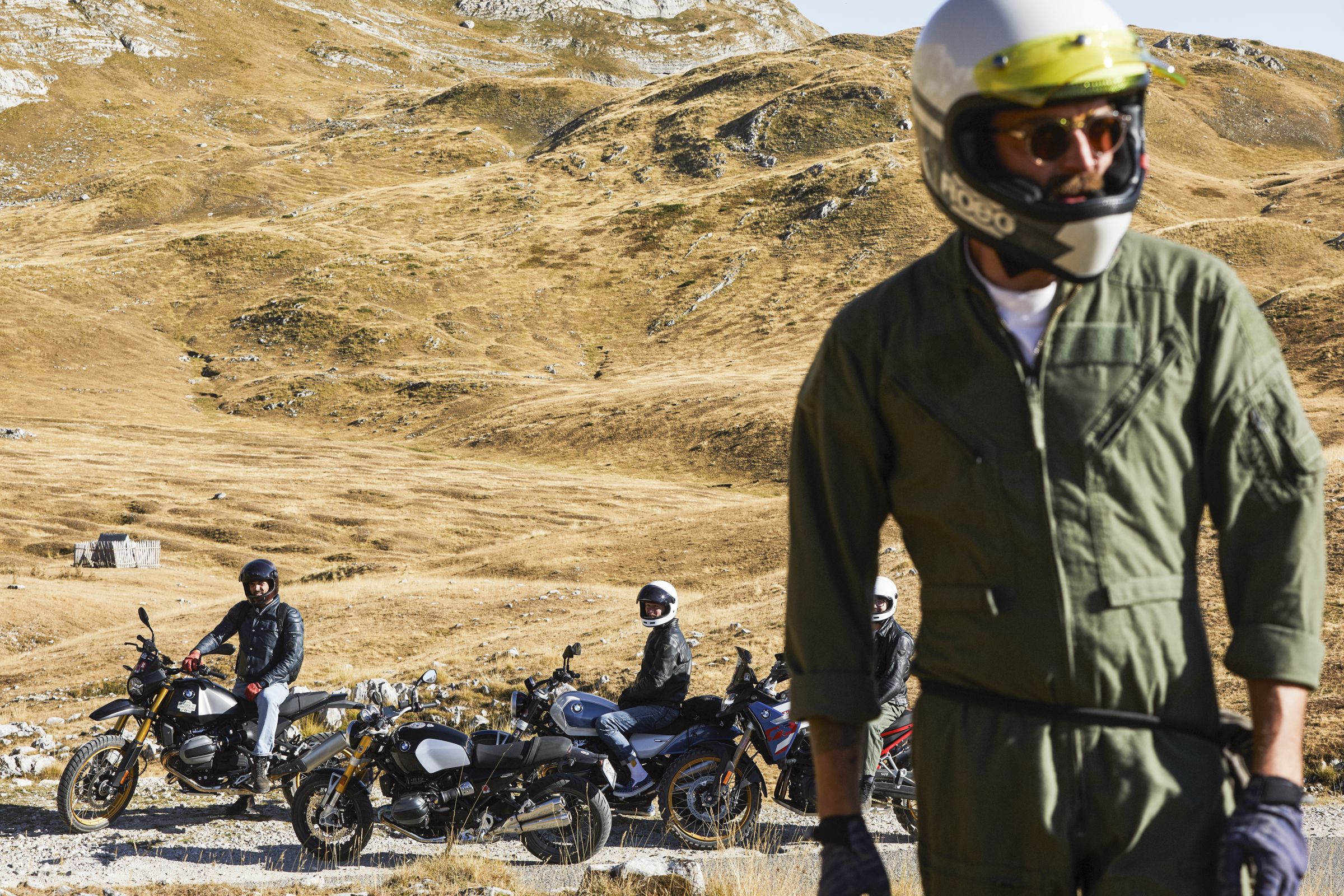
On a journey of more than a thousand kilometres across the Balkans, some challenges inevitably arise that no morning briefing or roadbook can anticipate. This year, the greatest uncertainty came from the wildfires burning in Montenegro. With smoke in the air and conditions changing continuously, the advance crew reassessed the upcoming sections day by day to ensure that the field remained at a safe distance from the fires throughout the Rally.
Albania had a rather different surprise in store. Just as the field was due to cross one of the borders, the checkpoint lost power. In a competition where a matter of minutes can cost points, the timing could hardly have been more fitting.
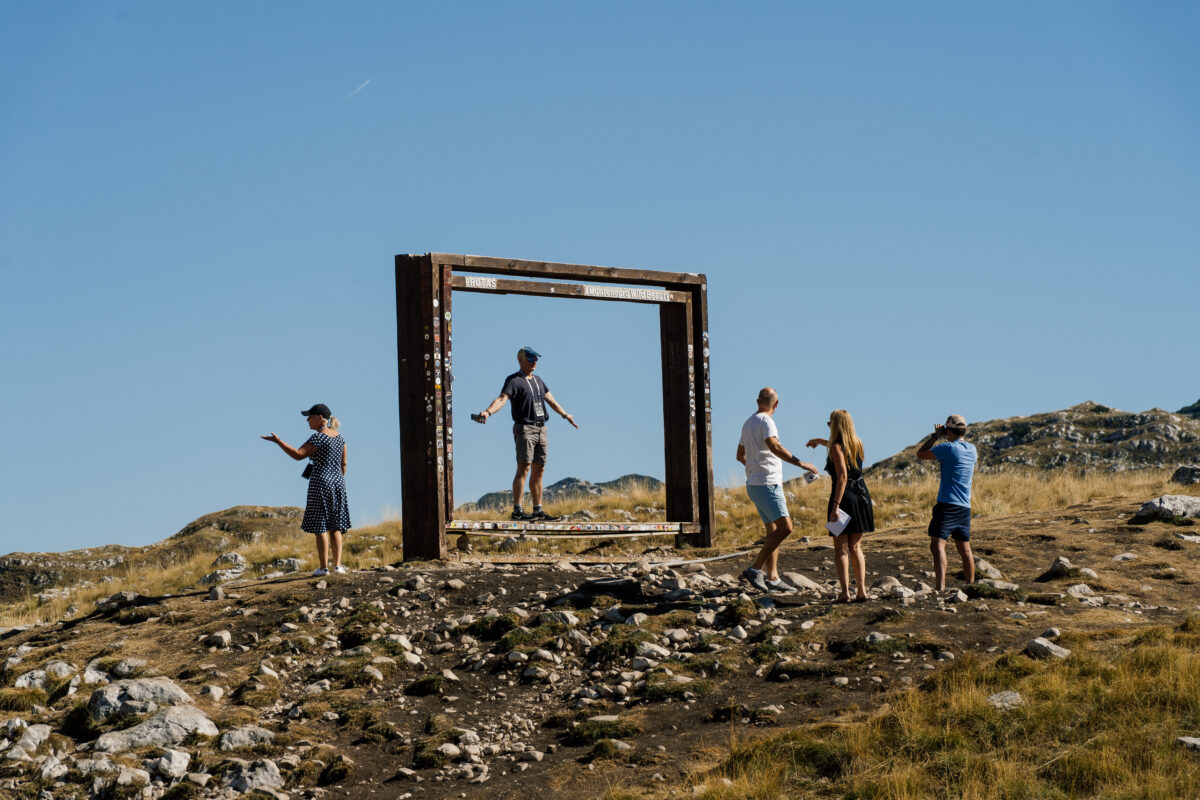
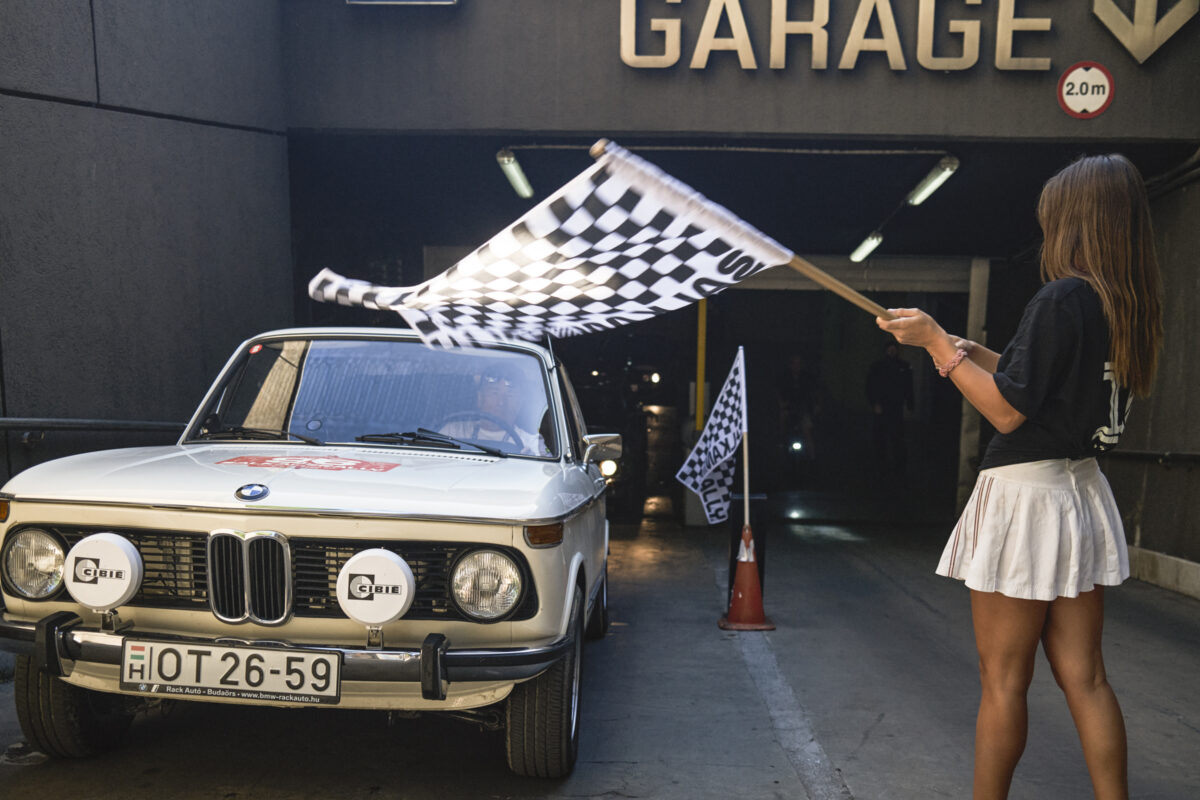
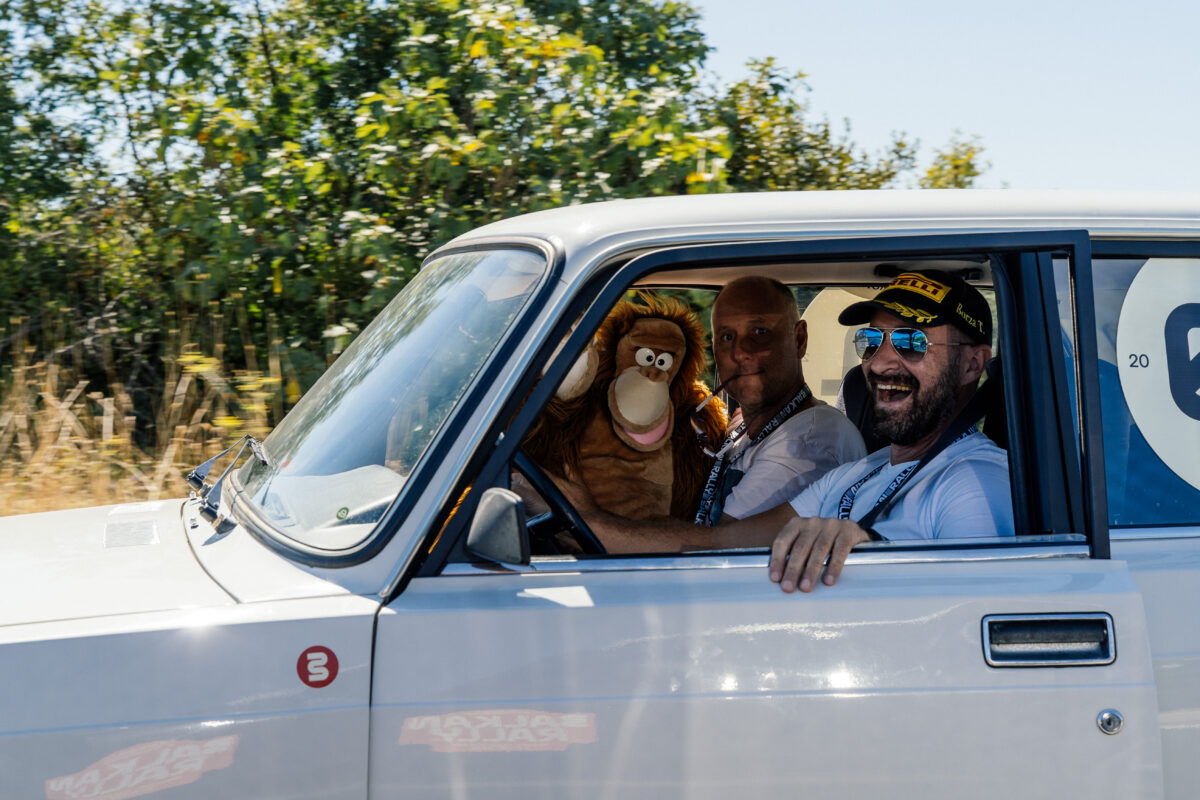
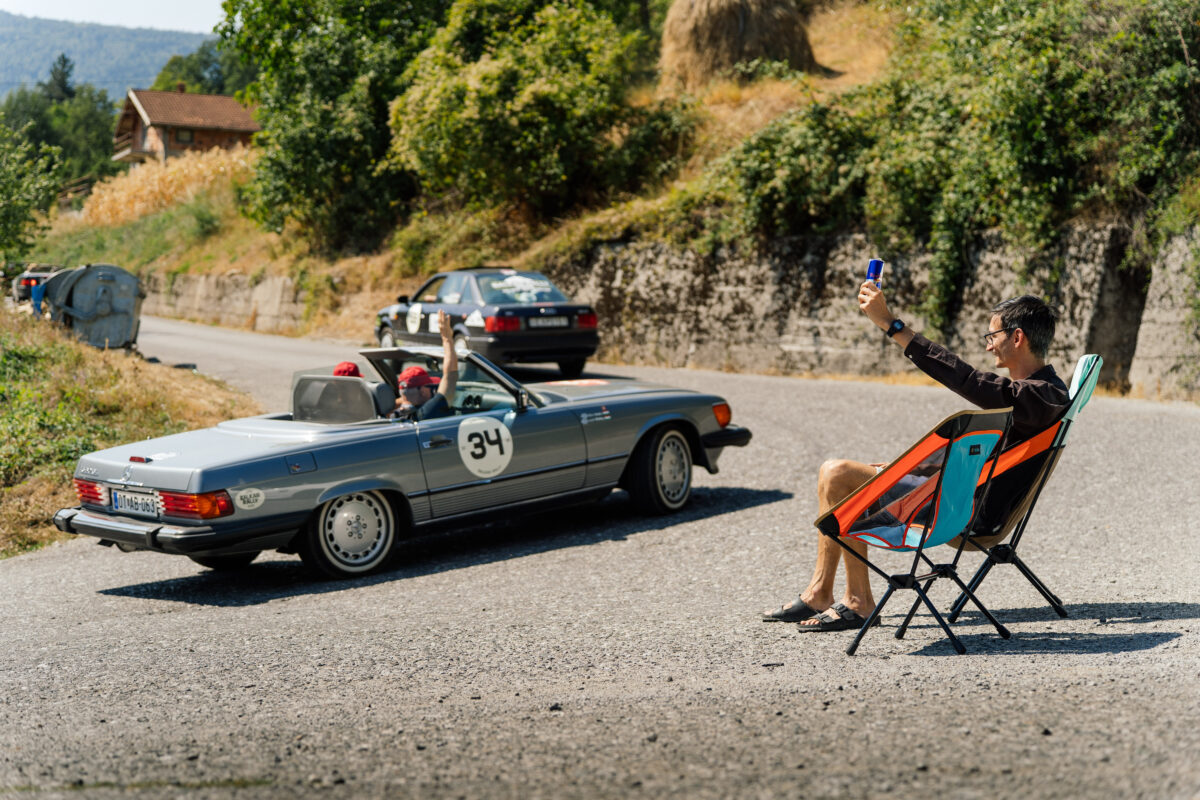
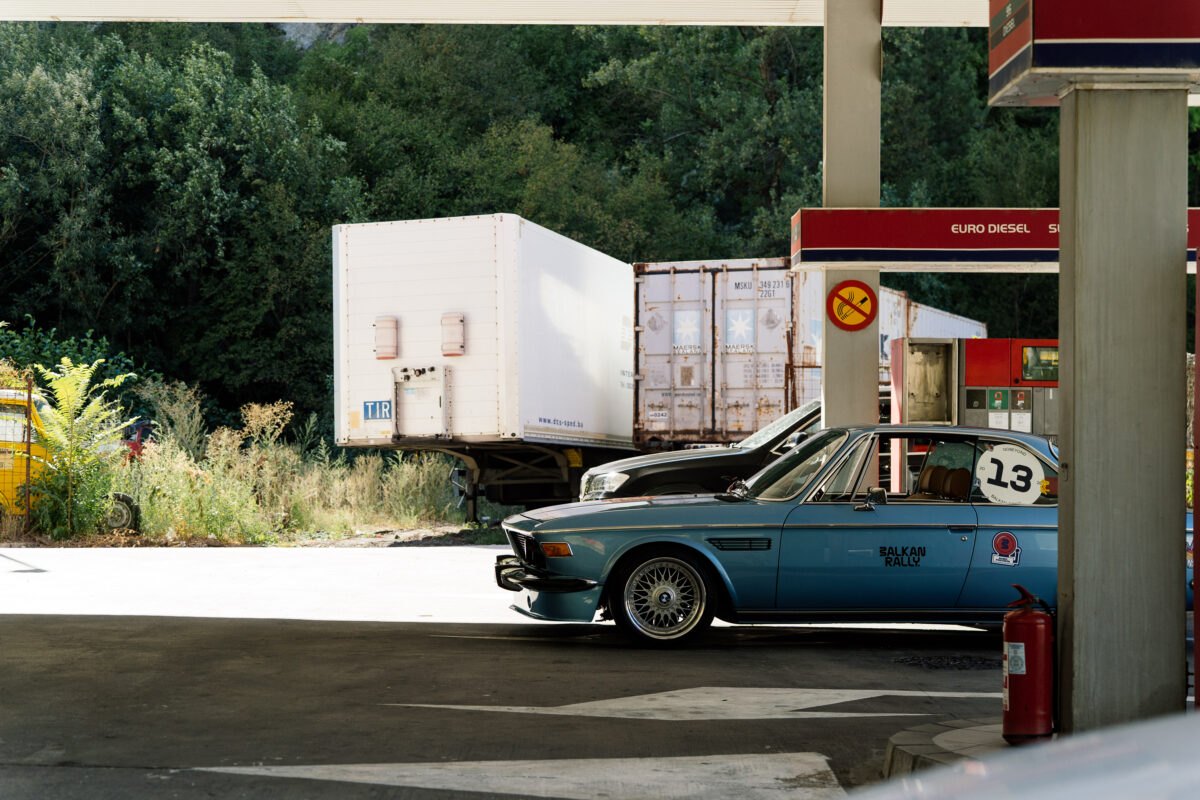
Despite the unexpected challenges, everyone who started the Rally in Trogir ultimately made it to the finish. Getting to the start line, however, proved a challenge in itself: several vehicles were forced to withdraw before the competition had even begun. A journey of more than a thousand kilometres through the Balkans is particularly demanding on vintage cars, for which meticulous preparation is not simply an advantage, but one of the prerequisites for making it all the way.
When Even 1,000 Points Are Not Enough to Guarantee Victory
Perhaps nothing illustrates just how close the fifth Balkan Rally was better than the final standings in the Veteran category. All three podium finishers ended the Rally with the maximum 1,000 points, driving cars from 1983, 1985 and 1983 respectively. After eight days and 1,150 kilometres, not a single point separated the top three.
The final order was ultimately decided by the drop day. And the winner’s performance becomes even more remarkable considering that even the result they discarded was flawless. Put simply, the leading teams navigated almost perfectly for eight consecutive days while maintaining the prescribed driving times with extraordinary precision.
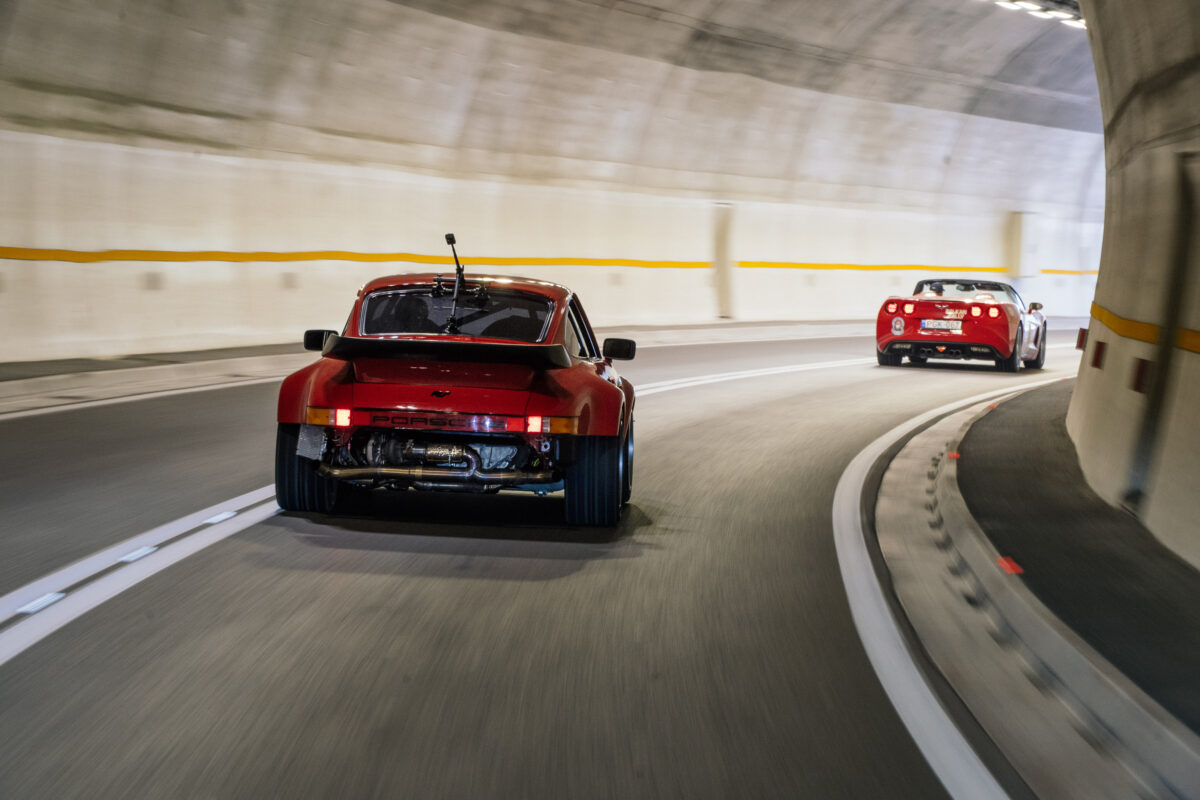
The Modern Classic category left scarcely more room for error. The top three finished on 1,000, 999 and 999 points, meaning the final order once again came down to the drop day. Cars from 2018, 2006 and 2023 occupied the podium, while the field also included models dating back to the 1990s. The Modern Classic winner delivered a performance that would have been good enough for third place in the overall classification.
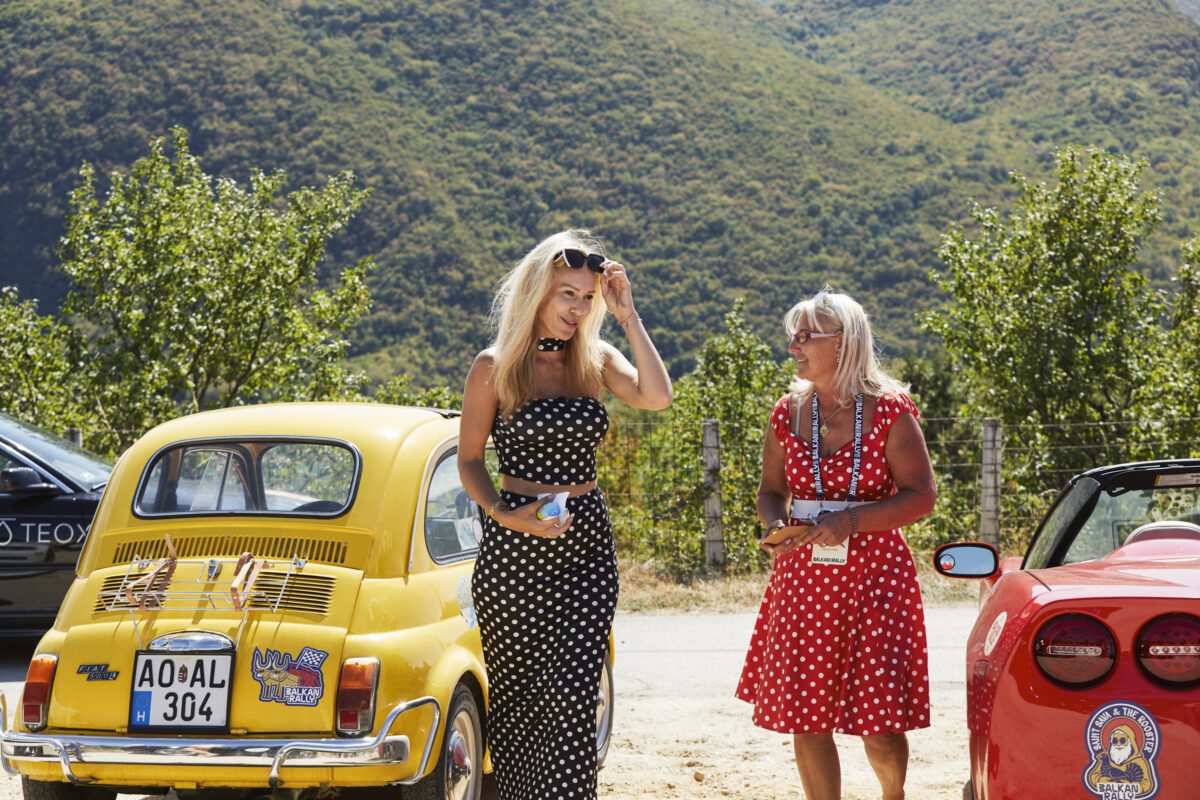
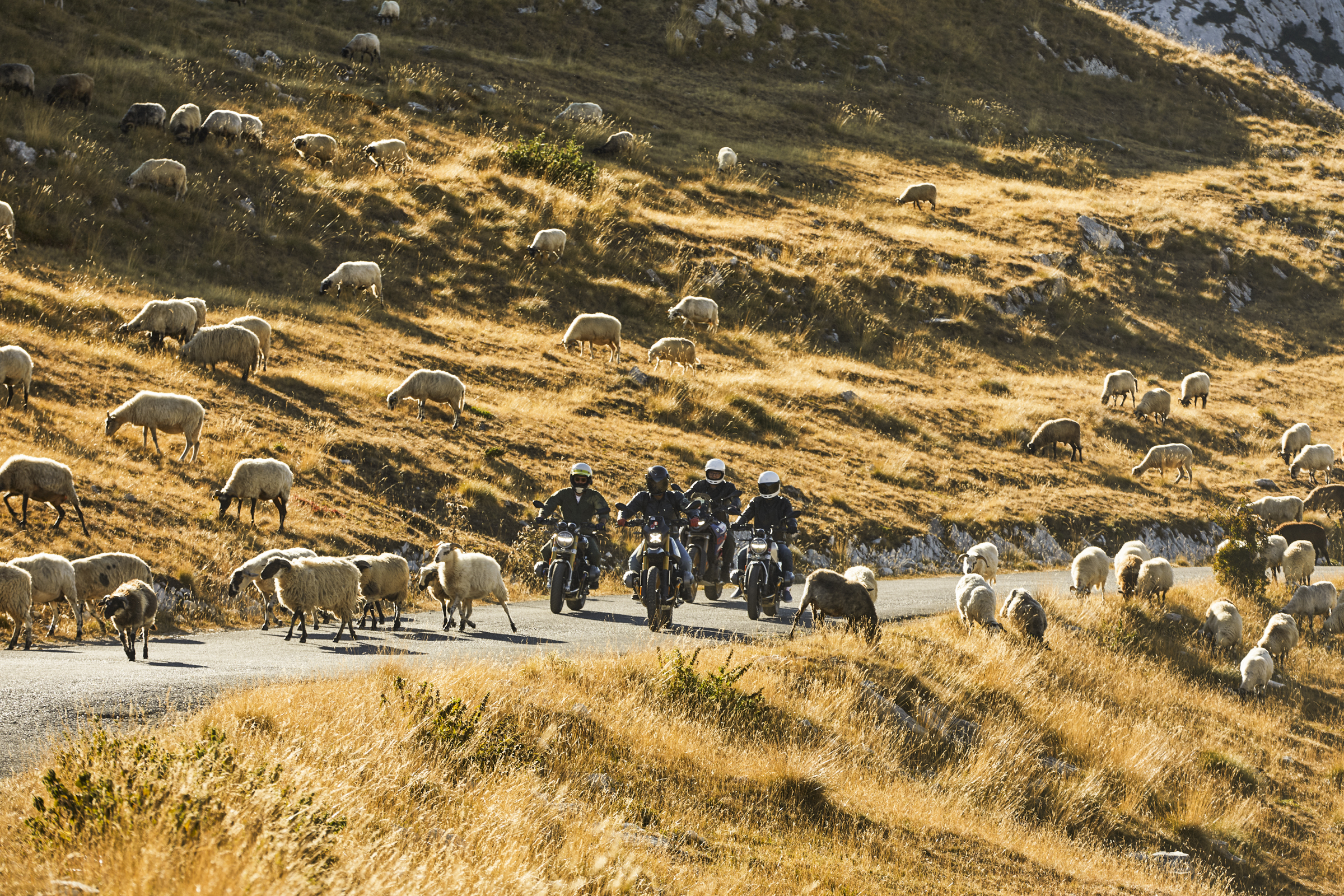
On two wheels, the gaps at the front were slightly wider. The top three riders finished with 990, 981 and 978 points respectively. The best riders lost just a single point each on navigation, with most of the difference coming from timekeeping. That is hardly surprising in a category where one person has to ride, navigate and keep an eye on the clock all at once. Even so, the leading motorcyclist achieved a score that would have placed them 14th in the overall standings.
This year’s results also challenged another assumption: that a younger car necessarily brings an advantage. The oldest car in the entire field, dating from 1970, made it all the way to sixth place.
Mercedes was the most represented marque this year, with 18 cars in the field, followed by BMW with 12 and Porsche with seven.
More Than a Competition
Over the past five years, the Balkan Rally has become far more than can be captured by a start and finish line, a kilometre count or even a final leaderboard. Today, its story is shaped just as much by the people who return year after year as by the cars they choose to take on the journey.
Veterans and modern classics, motorcycles and unexpected four-wheeled contenders, familiar faces and newcomers embarking on their first Rally all spend eight days on the road together. And perhaps that is why, after five editions, the most interesting question is not how many kilometres the Balkan Rally has already covered, but how many still lie ahead.
The next chapter is already taking shape: the route for the 2027 Balkan Rally is now available, and places are open for those ready to take it on themselves next year.
